How Technology and Education Together Shape Future Careers
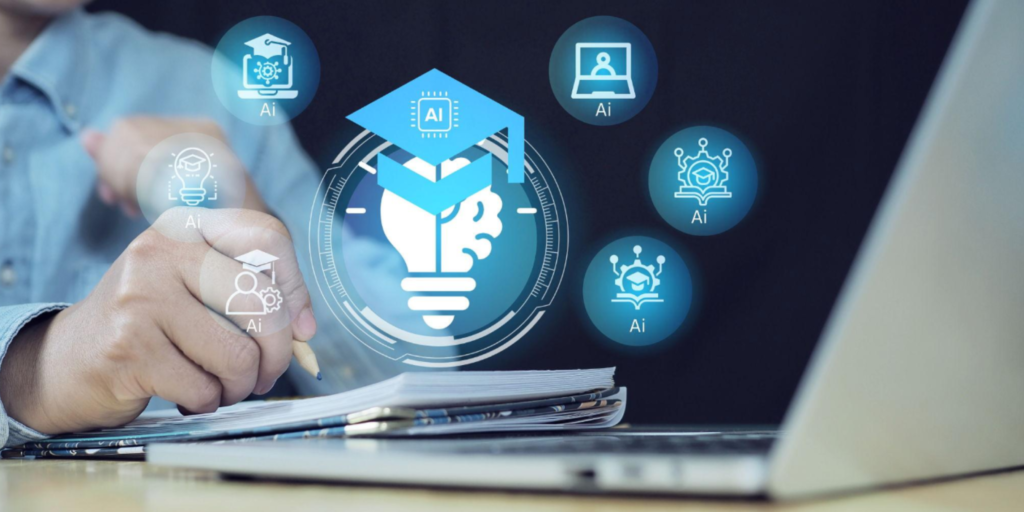
The relationship between technology and education has changed dramatically over the last decade, transforming the way students learn, communicate, develop skills, and prepare for future careers. In 2026, education is no longer limited to traditional classrooms, printed textbooks, or memorization-based learning systems. Technology has become deeply connected with modern education, creating smarter, faster, and more career-focused learning experiences for students across the world. Because of this transformation, technology and education together are shaping future careers more powerfully than ever before.
Earlier, career preparation mainly depended on classroom teaching, academic scores, and theoretical knowledge. However, modern industries now demand practical skills, digital understanding, communication ability, creativity, adaptability, and technological awareness alongside academic qualifications. As industries continue evolving through artificial intelligence, automation, robotics, cloud computing, and digital business systems, educational institutions increasingly focus on preparing students for future workplaces rather than only examinations.
Technology in education has also improved learning accessibility significantly. Students from different cities, backgrounds, and financial conditions can now access online courses, virtual classrooms, digital certifications, educational apps, AI learning tools, and international study programs through internet-based platforms.
At the same time, the rapid growth of educational technology also creates challenges. Students sometimes feel distracted by excessive screen time, information overload, and dependence on digital systems. Educational inequality related to internet access and technical infrastructure still affects many regions as well.
Technology Is Transforming Traditional Education
One of the biggest changes in modern education is the shift from traditional learning systems toward technology-driven education.
Smart classrooms, digital boards, AI-powered educational tools, online learning platforms, and virtual laboratories are becoming common in schools and universities.
Technology helps students access information faster while improving interaction, creativity, and practical understanding.
Modern learning systems now focus more heavily on real-world applications instead of only textbook memorization.
Students using technology-based learning environments often become more confident because they can explore subjects through videos, simulations, research tools, and interactive exercises.
Educational institutions also increasingly use digital systems for assignments, attendance, communication, examinations, and project management.
However, excessive dependence on digital devices may sometimes reduce focus and face-to-face social interaction among students.
Online Learning Is Expanding Career Opportunities
Online learning and careers have become strongly connected because digital education platforms now provide career-focused training for students and professionals worldwide.
Students today can learn artificial intelligence, digital marketing, business management, coding, communication skills, graphic design, data science, and entrepreneurship from online platforms without geographical limitations.
Flexible online learning systems help students balance education with internships, jobs, and personal responsibilities.
Technology-driven education also allows students from smaller towns to access high-quality educational resources that were previously unavailable locally.
Online certifications improve employability because companies increasingly value practical digital skills alongside academic qualifications.
Students who actively use online learning opportunities often gain stronger career flexibility and broader industry exposure.
At the same time, online education requires discipline because distractions and inconsistent study habits may affect learning quality.
Artificial Intelligence Is Influencing Future Careers
Artificial intelligence is becoming one of the strongest forces shaping future job markets.
AI learning for students now includes prompt engineering, machine learning basics, automation tools, digital productivity systems, and intelligent software applications.
Educational institutions increasingly introduce AI-focused programs because future industries will depend heavily on automation and data-driven systems.
Students learning AI-related skills often gain stronger career opportunities in technology, healthcare, marketing, finance, education, and business sectors.
AI-powered educational tools also personalize learning experiences by helping students understand topics according to individual strengths and weaknesses.
Technology and education together therefore improve career readiness by connecting learning directly with future industry requirements.
However, growing automation also creates uncertainty among students worried about changing job structures and workforce competition.
Skill-Based Learning Is Becoming More Important
Skill-based learning has become a major educational trend because employers increasingly prefer practical abilities over theoretical knowledge alone.
Modern industries now value communication skills, leadership, critical thinking, problem-solving, digital literacy, teamwork, and creativity alongside academic degrees.
Technology supports skill development through simulations, project-based learning, virtual internships, coding platforms, communication workshops, and collaborative tools.
Students participating in practical learning systems often adapt more successfully to professional environments.
Career-focused education also improves confidence because students experience real-world applications instead of only theoretical discussions.
Educational institutions increasingly redesign curriculums to match industry expectations and future workplace requirements.
However, students focusing only on technical skills without emotional intelligence may struggle with teamwork and professional relationships.

Smart Education Systems Improve Learning Experiences
Smart education systems are transforming how students interact with educational content.
AI-powered learning platforms, adaptive testing systems, virtual reality classrooms, and digital assessment tools help students learn more efficiently.
Technology in education improves engagement because interactive systems make learning more interesting and personalized.
Students using smart educational tools often gain faster access to learning materials, recorded lectures, research resources, and practice exercises.
Educational technology trends also support self-paced learning because students can revise difficult concepts repeatedly according to individual comfort levels.
Teachers increasingly use digital systems to monitor progress and provide customized guidance for students.
At the same time, technical issues and internet dependency may occasionally interrupt learning experiences.
Digital Skills Are Essential for Future Careers
Digital skills for students are no longer optional in modern workplaces.
Future careers and technology are closely connected because industries increasingly depend on software systems, digital communication, AI tools, cloud platforms, and online collaboration environments.
Students with strong digital literacy often adapt more effectively to changing workplace technologies.
Modern careers require familiarity with communication platforms, online research, data management, digital presentations, and productivity tools.
Educational institutions now encourage students to develop digital confidence from early academic stages.
Technology-driven education therefore improves employability while preparing students for global professional environments.
However, students lacking access to quality digital infrastructure may face disadvantages compared to technologically equipped learners.
Universities Are Adapting to Future Industry Needs
Universities increasingly recognize that traditional educational systems alone are insufficient for future career preparation.
Many institutions now collaborate with industries to provide internships, innovation labs, startup incubation programs, AI learning centers, and practical skill development workshops.
Modern universities increasingly focus on career-oriented education that combines academic learning with industry exposure.
Students participating in industry-connected educational programs often gain stronger placement opportunities and professional confidence.
Research-based learning and interdisciplinary education also help students understand complex real-world challenges more effectively.
Educational institutions therefore play an important role in bridging the gap between academic knowledge and workplace expectations.
However, some universities still struggle to update curriculums quickly enough according to rapidly changing industry trends.
Technology Encourages Creativity and Innovation
Technology not only improves technical learning but also supports creativity and innovation.
Students today use digital platforms for video creation, graphic design, coding projects, entrepreneurship, content development, app building, and research collaboration.
Technology encourages experimentation because students can explore ideas independently through online tools and resources.
Innovation-driven learning environments often inspire students to think beyond traditional career paths.
Creative industries now increasingly combine technology with business, media, entertainment, and communication sectors.
Students exposed to innovation-focused education usually develop stronger adaptability and entrepreneurial thinking.
At the same time, excessive dependence on ready-made digital tools may sometimes reduce independent critical thinking ability.
Remote Work and Global Careers Are Changing Education
Remote work culture has transformed career expectations significantly.
Students today prepare not only for local jobs but also for global opportunities requiring digital communication and virtual collaboration skills.
Technology in education helps students become familiar with online meetings, remote teamwork, digital presentations, and virtual workplace systems.
Educational institutions increasingly teach communication, networking, and digital professionalism because remote careers continue expanding worldwide.
Global online learning also improves international exposure because students interact with educators and professionals from different countries.
Career-focused digital education therefore supports both local and international employment opportunities.
However, remote learning and virtual work environments may sometimes reduce direct human interaction and emotional connection.
Technology Supports Lifelong Learning
Modern careers now require continuous learning because industries evolve rapidly through innovation and automation.
Technology allows professionals to upgrade skills regularly through online certifications, digital workshops, webinars, and virtual training programs.
Students entering future industries must understand that learning does not stop after graduation.
Continuous education improves career stability because professionals remain adaptable to changing technologies and market demands.
Technology-driven education systems therefore encourage lifelong learning habits among students and professionals.
Individuals who regularly update skills often experience stronger career growth and professional flexibility.
At the same time, constant pressure to remain updated may occasionally create stress and mental exhaustion.
Communication Skills Still Matter in a Digital World
Although technology influences education strongly, human communication remains equally important.
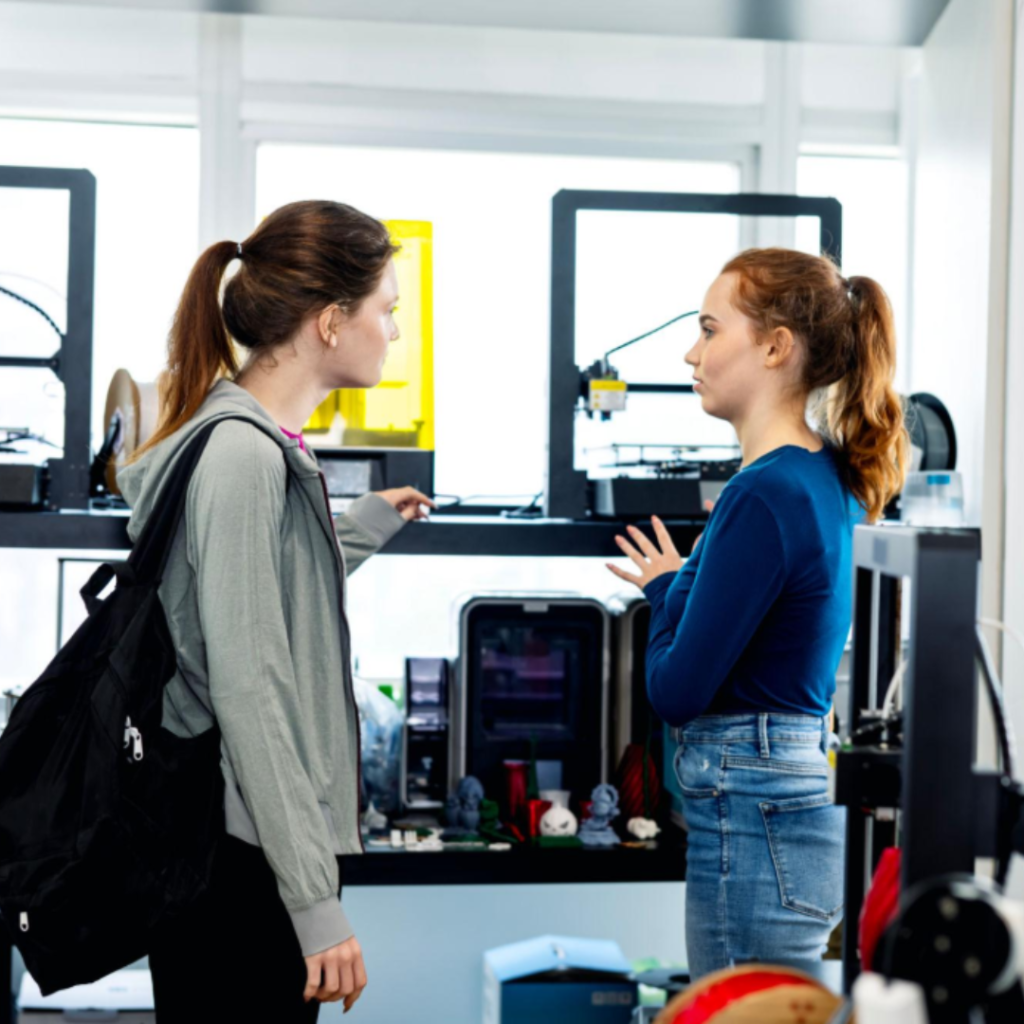
Students preparing for future careers still require emotional intelligence, teamwork, leadership, networking ability, and communication confidence alongside digital expertise.
Modern workplaces increasingly value professionals capable of combining technical knowledge with strong interpersonal skills.
Educational institutions therefore encourage public speaking, group discussions, presentations, and collaborative projects alongside technology training.
Students who balance digital skills with communication ability usually perform more effectively within professional environments.
Technology and education together shape future careers most successfully when human creativity and digital intelligence work together.
Future of Education and Career Development
The future of education will likely become even more technology-driven in coming years.
Artificial intelligence, virtual reality, adaptive learning systems, smart classrooms, digital assessments, and global online education networks may continue transforming how students learn and prepare for careers.
Future career opportunities will increasingly depend on adaptability, digital literacy, creativity, communication ability, and continuous learning habits.
Students capable of embracing technology while maintaining critical thinking and emotional intelligence will likely gain stronger professional advantages.
Educational institutions and industries will continue working together to create more practical, flexible, and career-oriented learning environments.
Conclusion
How technology and education together shape future careers can be clearly seen through the rapid transformation of modern learning systems, digital skill development, AI-powered education, online learning platforms, and industry-focused training programs. Technology in education is helping students prepare for future careers by improving accessibility, practical learning, innovation, communication, and professional readiness.
Future careers and technology are becoming deeply connected because industries increasingly require digital literacy, adaptability, problem-solving ability, and continuous learning skills.
Although challenges related to digital distractions, educational inequality, and technological dependence still exist, modern education systems continue evolving toward more flexible and career-focused learning environments.
As industries continue advancing through artificial intelligence, automation, and digital transformation, technology-driven education will likely remain one of the most powerful foundations shaping future careers, professional growth, and global opportunities in 2026 and beyond.
More Blogs you may read
Student-Led Research Initiatives: Empowering Innovation, Academic Excellence, and Future Leaders 2026
Student-Led Research Initiatives Research has always been one of the...
Read More
Careers in EdTech Product Development: A Complete Guide to Building a Future in Educational Technology 2026
Careers in EdTech Product Development Education is experiencing one of...
Read MoreCareer Planning Without Following the Crowd: A Complete Guide to Building Your Own Career Path 2026
Career Planning Without Following the Crowd Choosing a career is...
Read MoreAdmission Cancellation Rules: Complete Guide for Students on Admission Withdrawal and Refund Policies 2026
Admission Cancellation Rules Securing admission to a college or university...
Read More