
The Shocking Gap Between Education and Employment
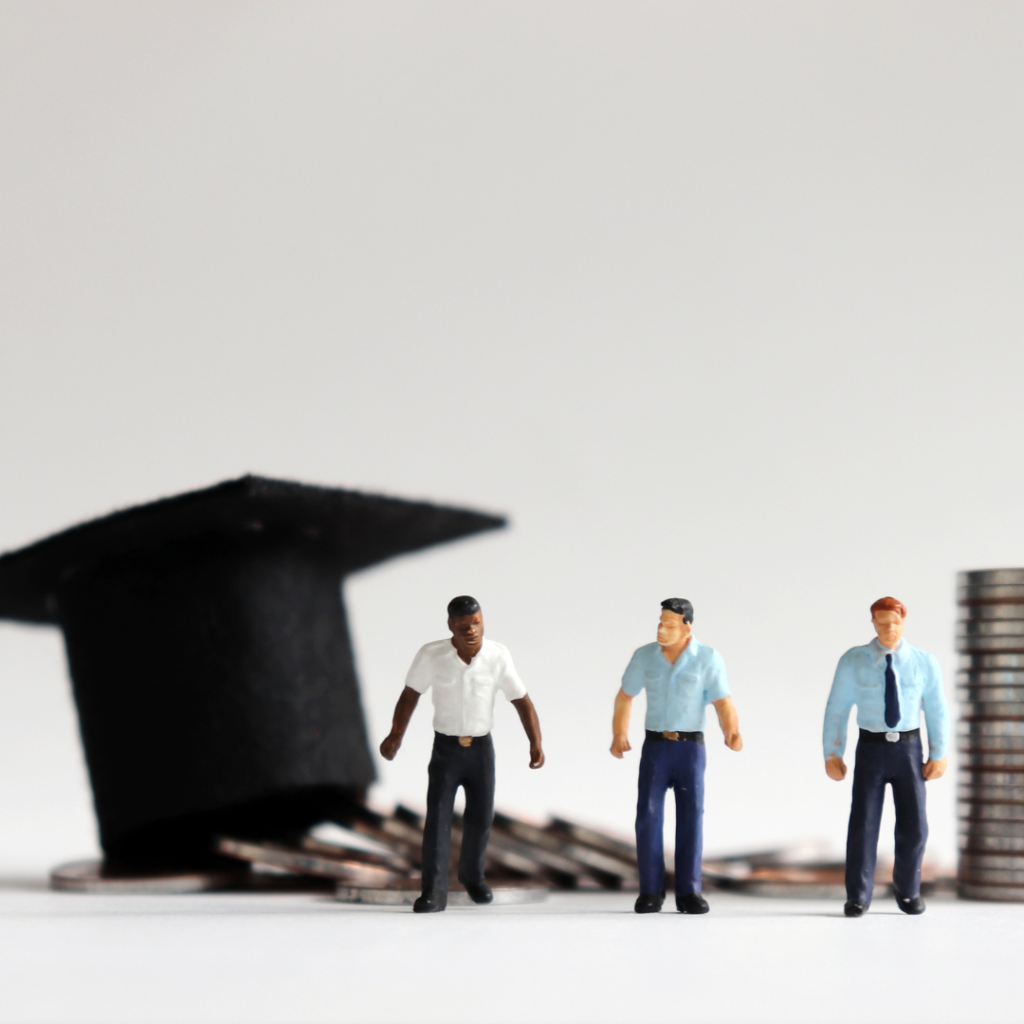
Education has traditionally been viewed as the gateway to career success. For generations, students were encouraged to work hard, earn strong academic credentials, and pursue higher education with the expectation that these efforts would lead to meaningful employment opportunities. While education continues to be one of the most powerful tools for personal and professional growth, a growing concern is becoming increasingly difficult to ignore. Across many industries and regions, there is a noticeable gap between education and employment.
Graduates are leaving schools, colleges, and universities with qualifications in hand, yet many struggle to secure positions that align with their education. At the same time, employers frequently report difficulty finding candidates with the skills required for modern workplaces. This situation creates a puzzling contradiction. Educational institutions are producing graduates, businesses are seeking talent, and yet the connection between the two often appears weaker than expected.
The education and employment gap has become one of the most significant challenges facing students, educators, employers, and policymakers. Understanding why this gap exists is essential for creating stronger pathways between learning and career success.
Understanding the Education and Employment Gap
The education and employment gap refers to the disconnect between what students learn during their educational journeys and what employers expect in professional environments.
Many graduates possess academic knowledge and theoretical understanding of their chosen fields. However, employers frequently seek additional capabilities such as communication skills, problem-solving abilities, adaptability, teamwork, leadership, digital literacy, and practical experience.
When educational experiences fail to align closely with workforce demands, graduates may find themselves underprepared for employment opportunities despite achieving academic success.
This mismatch creates challenges on both sides. Students may struggle to find suitable jobs, while employers may encounter difficulties identifying candidates who meet evolving workplace requirements.
The gap does not suggest that education lacks value. Rather, it highlights the need for stronger connections between learning outcomes and professional expectations.
As industries continue evolving, this challenge becomes increasingly important.
Why Academic Success Does Not Always Lead to Employment
Many students believe that strong grades automatically translate into career opportunities. While academic achievement certainly provides advantages, employers often evaluate candidates using broader criteria.
Organizations increasingly seek individuals who can collaborate effectively, communicate clearly, solve complex problems, and adapt to changing environments.
A student may excel academically but lack experience applying knowledge in real-world situations.
This reality explains why some graduates encounter difficulties despite possessing impressive qualifications.
The modern job market values practical competence alongside academic achievement.
Employers want evidence that candidates can contribute effectively within professional settings rather than simply demonstrate theoretical understanding.
As a result, educational success alone may not guarantee employment success.
This shift has encouraged institutions to rethink how learning experiences are designed and evaluated.
The Growing Importance of Employability Skills
One of the most frequently discussed aspects of the education and employment gap involves employability skills.
Employability skills include communication, teamwork, leadership, adaptability, critical thinking, emotional intelligence, creativity, and professional behavior.
These competencies influence workplace performance across virtually every industry.
Many employers report that technical knowledge can often be taught internally, but foundational employability skills are more difficult to develop quickly.
Educational institutions have historically focused heavily on academic content, sometimes providing limited opportunities for practical skill development.
Today, however, schools and universities increasingly recognize the importance of integrating employability skills into educational experiences.
The stronger these capabilities become, the more effectively graduates can navigate professional environments and career opportunities.
Rapid Workforce Changes Are Creating New Challenges
The workforce is evolving at an unprecedented pace.
Technological innovation, automation, artificial intelligence, digital transformation, sustainability initiatives, and globalization are continuously reshaping industries.
Many professions look dramatically different than they did only a decade ago.
This rapid evolution creates challenges for educational systems because curricula cannot always adapt as quickly as workplace requirements change.
Students may spend years studying subjects that are relevant today, only to enter a job market that has already shifted significantly.
This situation contributes to skill gaps and employment challenges.
Educational institutions are increasingly working to anticipate future workforce trends rather than simply responding to current demands.
The ability to prepare students for evolving industries has become a critical educational priority.
Why Employers Want Experience Alongside Education
Another factor contributing to the education and employment gap is the growing emphasis on practical experience.
Many employers prefer candidates who have demonstrated their abilities through internships, projects, volunteer work, part-time employment, or experiential learning opportunities.
Experience helps individuals understand workplace dynamics while applying theoretical knowledge in practical situations.
Students who participate in internships often develop stronger communication skills, professional confidence, and industry awareness.
These experiences make them more attractive to potential employers.
The challenge arises when graduates complete their education without gaining meaningful exposure to professional environments.
This lack of experience can make the transition from education to employment more difficult.
As a result, experiential learning is becoming increasingly important within modern educational systems.
The Role of Higher Education in Closing the Gap
Higher education institutions are playing a significant role in addressing the disconnect between education and employment.
Many universities and colleges are redesigning programs to emphasize career readiness, practical learning, and workforce preparation.
Industry partnerships, internship opportunities, mentorship initiatives, project-based learning, and professional development workshops are becoming more common.
These efforts help students understand how academic knowledge translates into workplace performance.
Educational institutions are also collaborating more closely with employers to ensure programs remain relevant and aligned with industry needs.
The goal is not to replace academic learning but to complement it with experiences that strengthen employability.
By focusing on outcomes and career preparation, institutions can help reduce the gap between education and employment.
Technology Is Changing Employment Expectations
Technology continues influencing how organizations recruit, train, and evaluate employees.
Digital literacy has become a fundamental employability skill across many industries.
Even professions traditionally considered non-technical increasingly require familiarity with digital tools, online collaboration platforms, data analysis, and technology-driven processes.
Students who develop strong digital competencies often gain advantages in competitive job markets.
Educational institutions are therefore integrating technology more deeply into learning experiences.
The challenge lies in ensuring that technological education remains current and relevant as innovation continues accelerating.
Technology-driven workplaces require adaptable learners who can continuously update their skills.
This reality reinforces the importance of lifelong learning.
Why Career Readiness Matters More Than Ever
Career readiness has become a central focus within modern education.
Career readiness involves more than securing employment. It includes understanding workplace expectations, developing professional skills, building confidence, and cultivating adaptability.
Students who are career-ready often transition more smoothly into professional environments because they possess both knowledge and practical competencies.
Educational institutions increasingly recognize that career readiness should be integrated throughout the learning journey rather than addressed only during the final stages of education.
Career counseling, networking opportunities, mentorship programs, and experiential learning initiatives help students prepare more effectively.
These efforts contribute to stronger employment outcomes and greater long-term success.

The Impact of Lifelong Learning on Employability
The relationship between education and employment no longer ends at graduation.
Industries continue evolving, and professionals must update their knowledge regularly to remain competitive.
Lifelong learning has therefore become an essential component of employability.
Individuals who continuously develop new skills often adapt more effectively to changing workforce demands.
Educational institutions increasingly promote lifelong learning through professional certifications, continuing education programs, online courses, and flexible learning opportunities.
This approach helps graduates remain relevant as industries transform.
The ability to learn continuously may become one of the most valuable career assets in the future workforce.
Student Expectations Are Changing
Students today are more career-conscious than previous generations.
Many learners evaluate educational opportunities based on employability outcomes, industry relevance, career prospects, and professional development opportunities.
They want educational experiences that provide practical value alongside academic achievement.
This shift is encouraging institutions to become more transparent about graduate outcomes and workforce preparation.
Students increasingly seek programs that offer strong connections to employment opportunities.
As educational choices become more strategic, institutions face greater pressure to demonstrate how learning experiences contribute to career success.
This evolving relationship between students and education is influencing the future direction of higher education.
Building Stronger Connections Between Learning and Work
Closing the education and employment gap requires collaboration among students, educational institutions, employers, and policymakers.
Educational programs must remain responsive to changing workforce needs while preserving academic rigor and intellectual development.
Employers can contribute by supporting internships, mentorship opportunities, industry partnerships, and practical learning initiatives.
Students also play an important role by actively developing employability skills, seeking professional experiences, and embracing continuous learning.
Strong partnerships create smoother transitions between education and employment.
When learning and workforce expectations become better aligned, both graduates and organizations benefit.
Conclusion
The gap between education and employment represents one of the most important challenges facing modern education. While academic achievement remains valuable, employers increasingly seek practical skills, adaptability, communication abilities, and real-world experience.
Rapid workforce changes, evolving technologies, and shifting professional expectations have highlighted the need for stronger connections between learning and employment outcomes.
Educational institutions are responding by emphasizing career readiness, employability skills, experiential learning, and industry engagement. These efforts help students prepare for a world where success depends on both knowledge and application.
The future of education will likely involve even greater collaboration between academia and industry. Students who combine academic excellence with practical skills, professional experience, and lifelong learning habits will be better positioned for long-term success.
Ultimately, closing the education and employment gap is not about choosing between theory and practice. It is about creating educational experiences that prepare learners to thrive in both academic and professional environments while contributing meaningfully to a rapidly changing world.
More Blogs you may read
Student-Led Research Initiatives: Empowering Innovation, Academic Excellence, and Future Leaders 2026
Student-Led Research Initiatives Research has always been one of the...
Read More
Careers in EdTech Product Development: A Complete Guide to Building a Future in Educational Technology 2026
Careers in EdTech Product Development Education is experiencing one of...
Read MoreCareer Planning Without Following the Crowd: A Complete Guide to Building Your Own Career Path 2026
Career Planning Without Following the Crowd Choosing a career is...
Read MoreAdmission Cancellation Rules: Complete Guide for Students on Admission Withdrawal and Refund Policies 2026
Admission Cancellation Rules Securing admission to a college or university...
Read More