
Why Future Leaders Are Built Through Challenges, Not Comfort
In a world that increasingly values convenience, speed, and comfort, many people assume that success comes from avoiding difficulties and seeking the easiest path forward. However, history, education, business, and personal development repeatedly reveal a different reality. The individuals who become future leaders are rarely shaped by comfort alone. Instead, they are often forged through challenges, uncertainty, setbacks, and demanding experiences that test their character and expand their capabilities. While comfort can provide temporary security, challenges create the resilience, adaptability, and leadership skills necessary for long-term success.
Future leaders emerge from environments that require growth. They learn valuable lessons when circumstances become difficult, expectations rise, and obstacles appear. Challenges force individuals to think critically, make decisions under pressure, and discover strengths they never realized they possessed. These experiences build confidence, determination, and emotional maturity—qualities that are essential for leadership development.
As industries evolve and global competition intensifies, organizations are seeking future leaders who can navigate complexity rather than avoid it. Leadership success is no longer determined solely by academic achievement or technical expertise. It increasingly depends on resilience, adaptability, and the ability to respond effectively when situations become demanding. This powerful connection between challenges and leadership development explains why many remarkable leaders credit their toughest experiences for shaping their greatest strengths.
Why Comfort Rarely Creates Leadership Excellence
Comfort offers stability and predictability, but it often limits growth. When individuals remain within familiar environments, they face fewer opportunities to expand their abilities. While comfort can provide temporary confidence, it rarely demands the effort required for meaningful leadership development.
Future leaders develop their capabilities when they encounter unfamiliar situations. New responsibilities, unexpected problems, and demanding projects require individuals to think beyond their existing knowledge. These experiences encourage learning, innovation, and personal growth.
Leadership excellence requires the ability to perform effectively even when conditions are uncertain. Comfortable environments rarely provide opportunities to practice this skill. As a result, individuals who avoid challenges may struggle when confronted with real-world complexities that require decisive action and strategic thinking.
Many successful leaders describe moments of discomfort as turning points in their journey. Difficult experiences often reveal hidden strengths and create opportunities for transformation. Without challenges, these valuable discoveries might never occur.
The Connection Between Challenges and Leadership Development
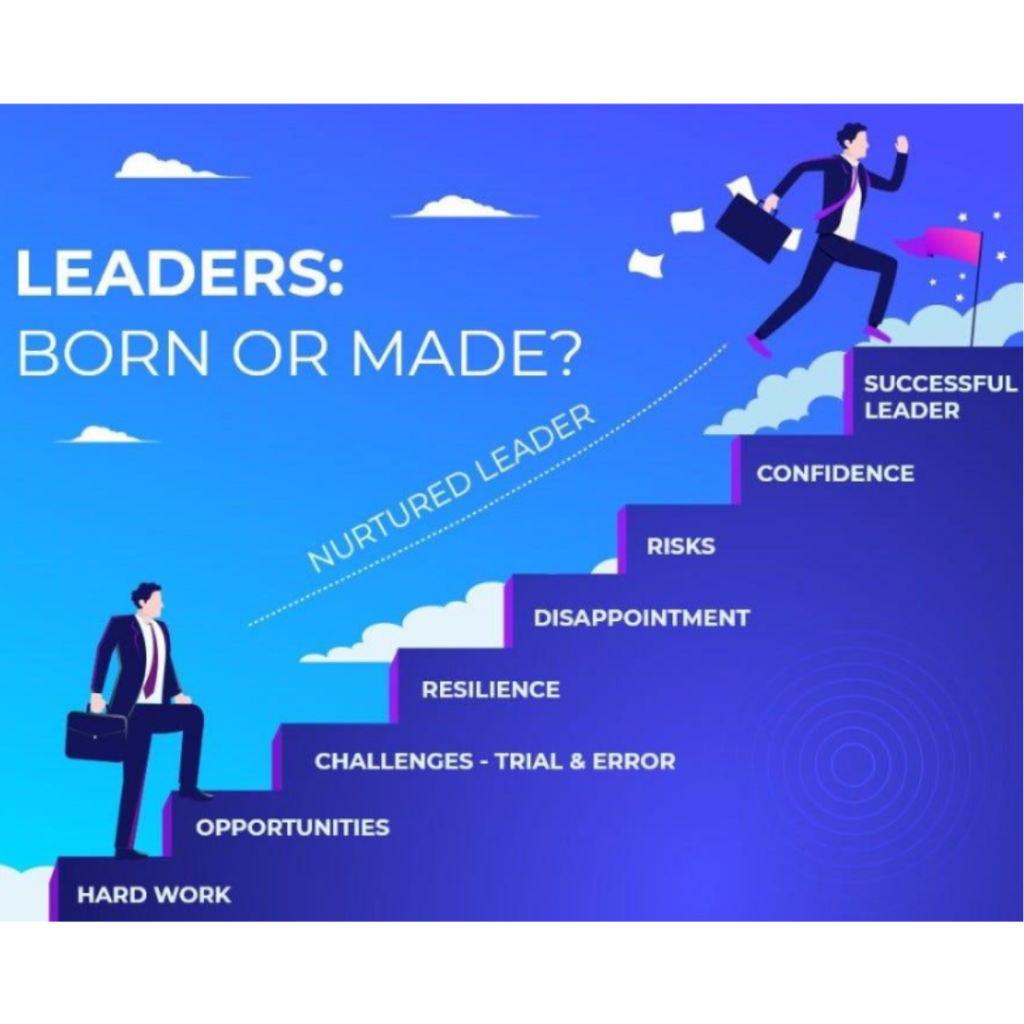
Leadership development is not simply about acquiring knowledge. It is about developing judgment, emotional intelligence, resilience, and confidence. These qualities are rarely built through easy experiences. Instead, they emerge through situations that require perseverance and thoughtful decision-making.
Future leaders often encounter obstacles that test their patience and determination. Whether facing academic pressure, professional setbacks, financial limitations, or competitive environments, these experiences strengthen their ability to remain focused during adversity.
Challenges also encourage self-awareness. Difficult situations reveal how individuals react under pressure and highlight areas for improvement. This self-understanding becomes a critical component of leadership growth.
As people navigate obstacles, they develop stronger problem-solving skills and greater emotional control. These qualities enhance leadership effectiveness and prepare individuals to guide others through uncertainty. Leadership success frequently depends on the lessons learned during periods of struggle rather than periods of ease.
How Adversity Builds Resilience in Future Leaders
One of the most important qualities shared by future leaders is resilience. Resilience is the ability to recover from setbacks, adapt to changing circumstances, and continue moving forward despite difficulties. This characteristic cannot be developed fully without experiencing challenges.
When individuals face obstacles, they learn that failure is not necessarily a permanent outcome. Instead, setbacks become opportunities for learning and improvement. This shift in perspective strengthens confidence and encourages persistence.
Future leaders understand that progress often requires overcoming barriers. Every challenge successfully navigated contributes to greater resilience and prepares individuals for larger responsibilities. Over time, these experiences create a strong foundation for leadership excellence.
Resilience also helps leaders maintain stability during uncertain times. Teams and organizations often look to leaders for guidance when circumstances become difficult. Leaders who have previously faced challenges are better equipped to provide direction, reassurance, and effective solutions.
In an increasingly unpredictable world, resilience has become one of the most valuable leadership skills. It allows future leaders to remain productive and focused even when confronted with significant obstacles.

Why Challenges Strengthen Decision-Making Skills
Effective leadership requires making decisions in situations where information may be incomplete and outcomes uncertain. Challenges provide valuable opportunities to develop this capability. Future leaders learn to evaluate options, assess risks, and make informed choices under pressure.
Comfortable environments often reduce the need for difficult decisions. However, leadership growth accelerates when individuals must weigh competing priorities and take responsibility for outcomes. These experiences build confidence and improve judgment.
Decision-making skills become stronger through repeated practice. Every challenge presents an opportunity to analyze situations, consider alternatives, and learn from results. Over time, future leaders develop the ability to remain calm and strategic even when facing complex problems.
Strong decision-making also enhances credibility. People naturally trust leaders who can evaluate situations carefully and act with confidence. This trust becomes a valuable asset in professional and organizational environments.
As leadership responsibilities increase, the ability to make thoughtful decisions becomes increasingly important. Challenges provide the practical experience necessary to develop this essential leadership quality.
The Hidden Benefits of Facing Difficult Situations
Although challenges can feel overwhelming in the moment, they often produce unexpected benefits. Difficult experiences encourage innovation, creativity, and personal transformation. Future leaders frequently discover new capabilities when traditional solutions are no longer sufficient.
Challenges force individuals to adapt. They learn how to communicate more effectively, manage resources efficiently, and collaborate with others to achieve goals. These skills contribute significantly to leadership development and long-term success.
Additionally, overcoming obstacles creates a sense of accomplishment that strengthens self-belief. Confidence built through genuine achievement is often more durable than confidence created through comfort. Future leaders rely on this confidence when confronting larger responsibilities and higher expectations.
The lessons gained from difficult situations often remain valuable for years. Experiences that initially appear discouraging may ultimately become defining moments that shape leadership potential and professional growth.
Why Educational and Professional Challenges Matter
Students and young professionals often view challenges as barriers to success. However, many of these experiences serve as important training grounds for future leadership roles. Academic pressure, demanding projects, internships, and workplace responsibilities all contribute to leadership development.
Future leaders frequently distinguish themselves by how they respond to challenges rather than how they perform when circumstances are easy. Their willingness to embrace responsibility and learn from setbacks accelerates their growth.
Educational institutions increasingly recognize the importance of resilience and leadership skills. Beyond academic excellence, students are encouraged to develop problem-solving abilities, adaptability, and emotional intelligence. These competencies prepare them for future leadership opportunities.
Similarly, employers seek individuals who can navigate uncertainty and contribute during periods of change. Challenges encountered early in a career often provide valuable preparation for future professional responsibilities.
The Leadership Mindset That Embraces Growth
A defining characteristic of future leaders is their willingness to view challenges as opportunities rather than threats. This growth-oriented mindset transforms obstacles into valuable learning experiences.
Instead of focusing exclusively on immediate discomfort, future leaders concentrate on long-term development. They recognize that every challenge contains lessons that can strengthen their abilities and expand their perspective.
This mindset encourages continuous improvement. Rather than avoiding difficult tasks, future leaders actively seek experiences that stretch their capabilities. They understand that growth rarely occurs without effort and persistence.
The ability to embrace challenges also inspires others. Teams are more likely to remain motivated when guided by leaders who demonstrate courage, optimism, and determination. Leadership success often depends as much on mindset as it does on technical expertise.
Preparing Future Leaders for an Uncertain World
The future will present increasingly complex challenges. Technological disruption, economic shifts, global competition, and evolving workplace expectations will require leaders who can adapt quickly and think strategically.
Future leaders must be prepared to navigate uncertainty with confidence. Challenges provide the practical experience necessary to develop this readiness. Each obstacle overcome contributes to stronger leadership skills, greater resilience, and improved decision-making capabilities.
Organizations, educational institutions, and individuals all benefit from recognizing the value of challenging experiences. Rather than shielding people from difficulty, creating opportunities for growth can help develop the next generation of effective leaders.
As the world continues to change, leadership excellence will depend less on comfort and more on the ability to learn, adapt, and persevere through adversity.
Conclusion
The journey to becoming a successful leader is rarely smooth or effortless. Future leaders are not built through comfort alone; they are shaped by challenges that test their resilience, strengthen their character, and expand their capabilities. Difficult experiences create opportunities for growth that comfortable environments simply cannot provide.
Leadership development flourishes when individuals face obstacles, solve problems, and learn from setbacks. These experiences build resilience, improve decision-making, and foster the confidence necessary for leadership success. While challenges may feel demanding in the moment, they often become the foundation for remarkable achievement.
In an era defined by constant change and uncertainty, future leaders must be prepared to navigate complex situations with determination and wisdom. Those who embrace challenges as opportunities for growth position themselves for greater leadership excellence, professional success, and lasting impact. Ultimately, the leaders who shape tomorrow’s world will be those who transformed adversity into strength and discomfort into extraordinary growth.