
Future Careers in Drone Technology
Technology is transforming industries at an unprecedented pace, and one of the fastest-growing innovations reshaping the modern workforce is drone technology. Once associated primarily with military applications and hobby enthusiasts, drones have evolved into powerful tools supporting agriculture, construction, logistics, filmmaking, healthcare, environmental monitoring, disaster management, infrastructure inspection, and public safety. As industries increasingly adopt unmanned aerial systems, Future Careers in Drone Technology are expanding rapidly, creating exciting opportunities for professionals with technical expertise, analytical thinking, and innovative problem-solving skills.
Drone technology combines aviation, robotics, artificial intelligence, electronics, software development, communication systems, geographic information systems, and automation. This interdisciplinary nature makes drone careers attractive to graduates from engineering, computer science, aviation, environmental science, agriculture, and data analytics.
The growing interest in Future Careers in Drone Technology reflects how autonomous aerial systems are becoming an essential part of tomorrow’s digital economy.
Understanding Drone Technology
To fully understand Future Careers in Drone Technology, it is important to understand what drone technology involves.
Drone technology focuses on designing, developing, operating, maintaining, programming, and improving unmanned aerial vehicles (UAVs). These aircraft perform tasks ranging from aerial photography and infrastructure inspection to emergency response and precision agriculture.
Modern drones rely on advanced sensors, GPS navigation, artificial intelligence, communication systems, cameras, and autonomous flight software.
Continuous technological improvements expand their capabilities every year.
Drone innovation continues creating new professional opportunities.
Why the Drone Industry Is Growing Rapidly
One of the strongest reasons behind Future Careers in Drone Technology is the rapid expansion of the global drone industry.
Businesses increasingly recognize drones as efficient tools capable of improving productivity, reducing operational costs, enhancing workplace safety, and collecting valuable data.
Governments, private companies, research organizations, and infrastructure developers continue investing in drone technology across multiple sectors.
As adoption accelerates, demand for skilled drone professionals rises accordingly.
Industry growth creates long-term employment opportunities.
The future outlook remains highly promising.
Drone Engineering Creates High-Demand Careers
Engineering plays a central role in Future Careers in Drone Technology.
Drone engineers develop aircraft structures, propulsion systems, battery technologies, communication equipment, flight controllers, navigation systems, and autonomous operating capabilities.
Their work ensures drones remain reliable, efficient, lightweight, and capable of performing increasingly complex missions.
Manufacturers continuously recruit engineers specializing in electronics, mechanical systems, embedded software, and aerospace technologies.
Engineering innovation remains the foundation of drone advancement.
Career opportunities continue expanding.
Artificial Intelligence Is Transforming Drone Careers
Artificial intelligence significantly contributes to Future Careers in Drone Technology.
Modern drones increasingly use AI for autonomous navigation, obstacle avoidance, object recognition, predictive maintenance, route optimization, and intelligent decision-making.
AI specialists collaborate closely with drone engineers to improve operational efficiency and automation.
This combination of robotics and artificial intelligence creates highly competitive career opportunities.
Professionals with interdisciplinary expertise enjoy exceptional employment prospects.
Technology continues strengthening drone capabilities.
Innovation drives industry growth.
Precision Agriculture Is Creating New Opportunities
Agriculture has become one of the fastest-growing contributors to Future Careers in Drone Technology.
Farmers increasingly use drones for crop monitoring, irrigation management, pest detection, soil analysis, precision spraying, and yield forecasting.
Agricultural technology companies recruit professionals capable of operating drones while interpreting aerial data.
These careers combine agriculture with digital innovation.
Drone-supported farming improves efficiency while promoting environmental sustainability.
Agricultural modernization continues creating employment opportunities.
Technology strengthens food production.
Infrastructure Inspection Expands Employment
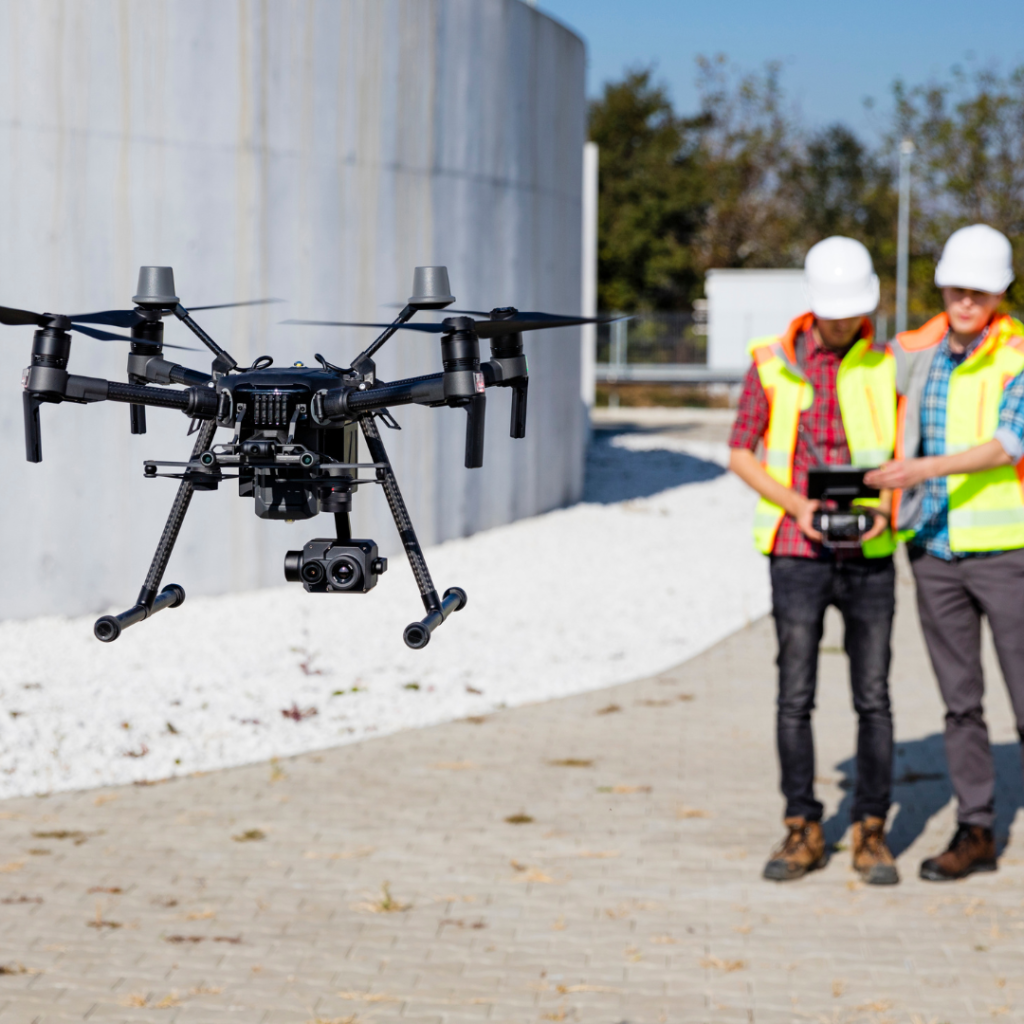
Infrastructure management is another major factor behind Future Careers in Drone Technology.
Utility companies, transportation authorities, construction firms, and engineering organizations increasingly deploy drones to inspect bridges, highways, railways, power lines, pipelines, communication towers, and industrial facilities.
Drone inspections improve worker safety while reducing operational costs and inspection time.
Professionals specializing in aerial inspections remain highly valuable.
Infrastructure monitoring continues expanding worldwide.
Engineering and drone expertise work together.
Career demand remains strong.
Aerial Surveying and Mapping Continue Growing
Surveying and mapping contribute significantly to Future Careers in Drone Technology.
Drones equipped with advanced imaging systems create highly accurate geographic data for urban planning, mining, construction, environmental research, and land development.
Professionals skilled in drone mapping, geographic information systems (GIS), and remote sensing enjoy growing employment opportunities.
Data-driven planning increasingly depends on aerial intelligence.
Drone mapping supports smarter infrastructure development.
Analytical expertise enhances career competitiveness.
Healthcare Applications Create Emerging Roles
Healthcare innovation is creating additional opportunities within Future Careers in Drone Technology.
Medical organizations increasingly explore drone delivery systems for transporting medicines, vaccines, blood supplies, laboratory samples, and emergency medical equipment to remote areas.
These developments require engineers, logistics specialists, aviation experts, software developers, and healthcare technology professionals.
Drone-assisted healthcare strengthens emergency response capabilities.
Medical innovation continues expanding professional opportunities.
Technology improves healthcare accessibility.
Software Development Supports Drone Innovation
Software engineering has become increasingly important in Future Careers in Drone Technology.
Modern drones depend heavily on sophisticated programming for flight control, navigation, communication, cybersecurity, autonomous operation, and cloud connectivity.
Software developers collaborate with hardware engineers to create intelligent aerial systems.
Digital innovation continues expanding drone capabilities.
Professionals combining programming skills with aviation knowledge become highly sought after.
Software remains central to future drone technologies.
Continuous innovation drives employment growth.
Environmental Monitoring Creates Sustainable Careers
Environmental protection further explains Future Careers in Drone Technology.
Researchers use drones to monitor forests, wildlife, coastal ecosystems, glaciers, pollution levels, natural disasters, and climate-related changes.
Environmental organizations increasingly recruit drone specialists capable of collecting accurate aerial information.
These careers combine scientific research with advanced technology.
Drone-based monitoring supports conservation efforts and sustainable resource management.
Environmental innovation continues expanding career possibilities.
Technology contributes to global sustainability.
Communication and Teamwork Matter
Communication plays an important role in Future Careers in Drone Technology.
Drone professionals frequently collaborate with engineers, software developers, government agencies, environmental scientists, agricultural specialists, construction teams, emergency responders, and aviation authorities.
Strong communication improves project coordination and operational efficiency.
Professionals capable of explaining technical information clearly often become successful project leaders.
Collaboration remains essential for complex drone operations.
Technical excellence works best alongside effective teamwork.
Universities Are Preparing Future Drone Specialists
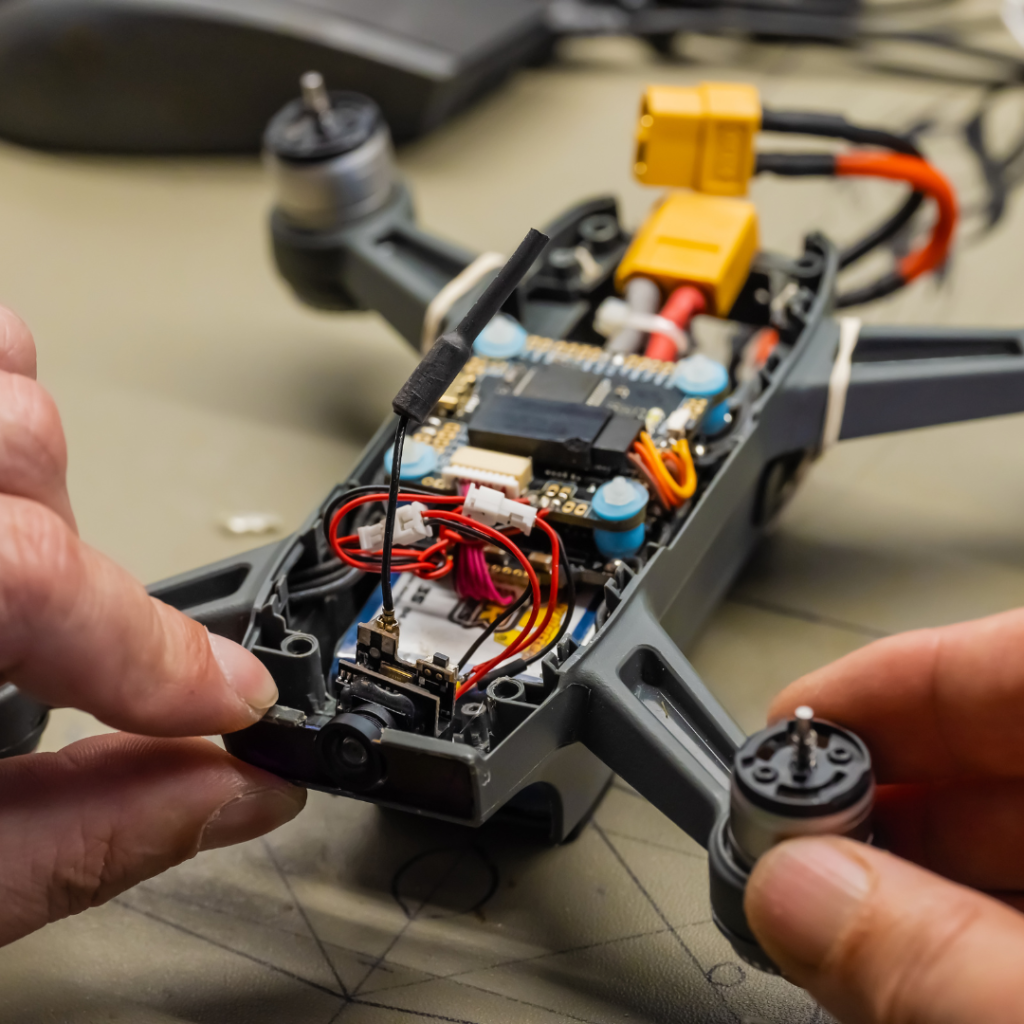
Educational institutions increasingly recognize Future Careers in Drone Technology by introducing specialized programs in robotics, aviation, electronics, autonomous systems, artificial intelligence, GIS, software development, and drone operations.
Students benefit from practical laboratory training, simulation technology, field experience, and interdisciplinary research.
Continuous learning remains important because drone technology evolves rapidly.
Universities increasingly partner with industry to prepare graduates for future employment.
Education supports long-term career resilience.
Innovation requires lifelong learning.
Challenges Facing Drone Professionals
While discussing Future Careers in Drone Technology, it is important to recognize certain challenges.
Professionals must adapt continuously to evolving aviation regulations, technological advancements, cybersecurity requirements, and operational standards.
Keeping pace with innovation requires ongoing education and professional development.
However, these challenges also create opportunities for continuous career growth.
Adaptability strengthens employability.
Curiosity and technical learning remain essential professional qualities.
Innovation rewards continuous improvement.
The Future of Drone Technology Careers
The future of Future Careers in Drone Technology appears exceptionally promising.
Increasing adoption across transportation, logistics, agriculture, healthcare, environmental monitoring, defense, emergency response, smart cities, and infrastructure management will continue generating employment opportunities.
Future professionals may work as drone systems engineers, autonomous flight specialists, UAV software architects, drone mapping analysts, aerial data scientists, drone safety consultants, commercial drone pilots, robotics engineers, drone logistics managers, and intelligent aviation researchers.
Career opportunities will continue expanding alongside technological innovation.
Demand for skilled professionals is expected to remain strong for decades.
Conclusion
Future Careers in Drone Technology represent one of the most exciting employment opportunities emerging from modern technological advancement. Drone systems combine aviation, robotics, artificial intelligence, software engineering, electronics, and data analytics to solve real-world challenges across numerous industries.
Professionals who develop expertise in autonomous systems, engineering, programming, communication, geographic information systems, and continuous learning will be well positioned for long-term success. Drone technology offers not only outstanding career growth but also the opportunity to contribute to smarter agriculture, safer infrastructure, improved healthcare, environmental conservation, and more efficient transportation.
As autonomous aerial technologies continue transforming industries worldwide, drone professionals will play an increasingly important role in shaping the future of innovation, sustainability, and intelligent mobility. The next generation of drone careers promises exceptional growth, meaningful impact, and exciting possibilities for ambitious professionals.