
Why College Projects Improve Career Skills
College education is no longer limited to textbooks, lectures, and written examinations. Modern industries expect students to graduate with practical knowledge, communication abilities, teamwork experience, and problem-solving skills that can be applied in real workplace environments. Because of these changing expectations, college projects have become one of the most important parts of student learning and career preparation. Understanding why college projects improve career skills is essential for students who want stronger placement opportunities and long-term professional growth.
In today’s competitive environment, employers increasingly prefer candidates who possess practical exposure rather than only theoretical understanding. Academic marks still matter, but companies also look for students who can apply knowledge effectively, handle responsibilities, communicate professionally, and contribute to real-world projects. College projects help students bridge the gap between classroom learning and industry expectations.
Project-based learning gives students opportunities to work on practical tasks, solve challenges, collaborate with teams, and improve creativity. These experiences help students understand how professional environments function before entering full-time careers.
The importance of college projects has grown even more because industries now focus heavily on employability skills for students. Technical knowledge alone is often not enough for placements and career success. Students must also demonstrate communication abilities, leadership qualities, analytical thinking, and adaptability.
At the same time, many students initially see projects as stressful academic requirements rather than valuable career-building opportunities. Tight deadlines, teamwork challenges, presentation pressure, and technical difficulties can create frustration during project work. However, these experiences often help students develop resilience and workplace readiness in powerful ways.
College Projects Connect Theory With Practical Learning
One of the biggest reasons why college projects improve career skills is because they transform theoretical concepts into practical understanding. Classroom education provides knowledge, but projects allow students to apply that knowledge to realistic situations and industry-related challenges.
Practical learning for students becomes much more effective when concepts are experienced directly instead of memorized only for examinations. Projects encourage students to analyze problems, conduct research, create solutions, and test ideas practically.
For example, engineering students may build technical systems, management students may work on market research projects, and computer science students may develop software applications. These activities strengthen understanding while improving confidence and creativity.
Project-based learning also helps students understand how industries function outside academic environments. Students become more aware of professional standards, deadlines, teamwork expectations, and problem-solving approaches used in workplaces.
In contrast, students who rely only on theoretical learning may struggle to adapt quickly during internships, placements, or professional assignments because they lack practical exposure and application-based confidence.
College Projects Improve Problem-Solving Skills
Problem-solving skills for students are becoming increasingly important because modern workplaces expect employees to handle challenges independently and think critically under pressure.
College projects naturally improve analytical thinking because students regularly encounter technical issues, communication gaps, research difficulties, or project limitations that require practical solutions.
Instead of following fixed textbook answers, projects encourage students to explore different approaches and make decisions based on research, experimentation, and teamwork. This process strengthens creativity and logical thinking simultaneously.
Employers often value candidates who demonstrate strong workplace problem-solving abilities because organizations depend on employees who can manage challenges calmly and contribute innovative solutions.
Project experience also teaches students that mistakes and setbacks are part of learning. Students become more adaptable and resilient when they learn how to improve work through experimentation and revision.
However, some students may initially feel overwhelmed by complex projects or unexpected challenges. Proper guidance, teamwork, and persistence help build confidence gradually during these experiences.
Teamwork Skills Develop Through College Projects
Most professional environments require collaboration, communication, and teamwork. College projects provide students with early exposure to group coordination and collaborative work culture.
Teamwork skills for students improve significantly during project activities because students must share responsibilities, discuss ideas, manage conflicts, and complete tasks collectively.
Working with different personalities teaches students patience, flexibility, and communication balance. They learn how to respect different opinions while contributing effectively toward common goals.
These collaborative experiences become especially useful during placements and future careers where teamwork is often essential for project success and organizational productivity.
Students who actively participate in team projects usually become more comfortable with workplace interaction and professional collaboration.
At the same time, group projects can sometimes create disagreements or unequal participation, which may lead to stress and frustration. However, handling these situations also helps students improve emotional intelligence and conflict management abilities.

Communication Skills Improve Through Project Work
Communication skills through projects are another major reason why project experience supports career development. Students involved in projects regularly explain ideas, discuss strategies, present findings, and interact with team members or faculty mentors.
These activities improve both verbal and written communication abilities. Students learn how to express thoughts more clearly and present information confidently during meetings, presentations, and discussions.
Modern employers strongly value communication abilities because technical expertise alone is often insufficient in collaborative workplace environments. Employees must communicate professionally with teams, managers, clients, and stakeholders.
Project presentations especially help students overcome stage fear and improve public speaking confidence. Repeated exposure to presentations gradually reduces nervousness and strengthens interpersonal skills.
Students lacking communication confidence may initially hesitate during discussions or presentations, but project involvement often helps them become more expressive and self-assured over time.
College Projects Increase Placement Opportunities
Project experience for placements has become highly valuable because recruiters frequently ask students about practical work during interviews and campus recruitment processes.
Employers often use projects to evaluate a student’s understanding, technical expertise, teamwork abilities, and problem-solving approach. Students who can explain projects confidently usually create stronger impressions during placements.
Recruiters appreciate candidates who demonstrate practical exposure because it reflects initiative and hands-on learning rather than memorized academic knowledge alone.
College projects and placements are closely connected because project work often provides discussion topics during interviews. Students can showcase creativity, technical skills, leadership experience, and decision-making abilities through real project examples.
Internships and practical projects also help students build professional portfolios that improve employability and career visibility.
However, students who complete projects without active involvement may struggle to explain technical details or project objectives confidently during interviews.
Projects Encourage Research and Innovation
Modern industries value innovation and continuous improvement. College projects encourage students to research emerging technologies, explore creative solutions, and think beyond textbook limitations.
Student practical skills improve when learners experiment with new tools, software, systems, or methodologies while completing projects. Research-based learning increases curiosity and independent thinking abilities.
Projects often expose students to industry trends and technological advancements that may not be fully covered in regular classroom teaching.
Innovation-oriented projects can also inspire entrepreneurial thinking and startup ideas among students interested in business or technology development.
At the same time, research work requires patience and consistency. Students may face technical difficulties or uncertainty during experimentation, but overcoming these obstacles improves resilience and learning confidence.
Time Management and Discipline Improve Through Projects
Project work requires planning, scheduling, and responsibility. Students must balance deadlines, teamwork coordination, academic responsibilities, and practical execution while managing project activities.
This process improves time management and discipline naturally because students learn how to organize priorities and complete tasks systematically.
Career skills for students are not limited to technical expertise alone. Employers also value punctuality, accountability, and consistent work habits, all of which develop through project-based responsibilities.
Students who manage project timelines successfully often become more organized and productive in other academic and professional activities as well.
On the other hand, poor planning or procrastination during projects may create unnecessary stress and affect overall performance. Learning to manage responsibilities effectively becomes an important lesson through project experiences.
College Projects Build Career Confidence
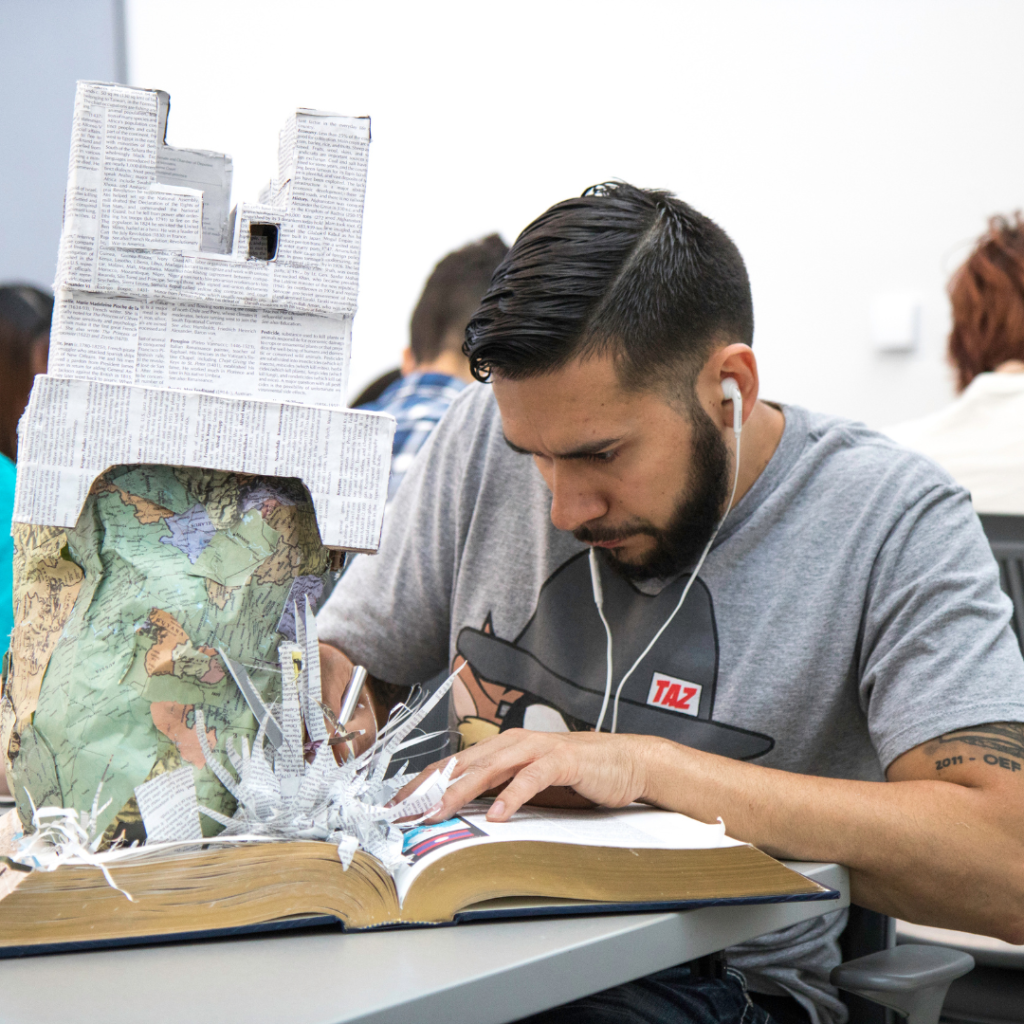
One major benefit of practical learning is the confidence it creates in students. Successfully completing projects gives students a sense of achievement and self-belief regarding their abilities.
Students who work on real assignments often feel more prepared for internships, placements, and workplace environments because they already understand basic project workflows and teamwork expectations.
Confidence also improves communication and interview performance. Students with project experience usually feel more comfortable discussing technical concepts and practical challenges during placement interviews.
Project work and career growth are strongly connected because confidence encourages students to take initiative, participate actively, and explore new opportunities.
However, lack of participation or fear of failure may prevent some students from using project opportunities effectively. Encouragement and practical exposure help students overcome hesitation gradually.
Industry Expectations Are Changing
The importance of college projects has increased because industries now focus more on practical skills and employability rather than theoretical qualifications alone.
Technology-driven workplaces require employees who can adapt quickly, collaborate effectively, and contribute to real-world assignments. Companies increasingly seek candidates with project exposure because they understand workplace dynamics better.
Educational institutions are therefore encouraging project-based learning, internships, practical workshops, and industry collaboration programs to improve career readiness among students.
The future workforce will continue rewarding individuals who combine technical expertise with creativity, communication abilities, teamwork, and practical problem-solving skills.
Challenges Students Face During College Projects
Although projects provide valuable learning opportunities, students often face difficulties such as technical confusion, communication gaps, teamwork conflicts, or deadline pressure.
Some students become stressed due to heavy workloads or fear of presentations and evaluations. Unequal team participation may also create frustration in group projects.
However, these challenges themselves contribute to personal and professional growth. Learning how to manage pressure, solve disagreements, and complete responsibilities under deadlines prepares students for real workplace situations.
The ability to remain calm and adaptable during difficult project phases often becomes one of the most valuable career-building experiences.
Conclusion
Understanding why college projects improve career skills is extremely important in today’s competitive educational and professional environment. College projects provide students with practical exposure, teamwork experience, communication confidence, problem-solving abilities, and workplace readiness that traditional classroom learning alone cannot fully offer.
Project-based learning helps students connect theory with real-world application while improving employability skills for students such as leadership, time management, discipline, and analytical thinking.
College projects and placements are strongly connected because employers increasingly value candidates who demonstrate practical understanding and collaborative experience. Students who actively participate in project work often become more confident, adaptable, and professionally prepared for future careers.
As industries continue evolving rapidly through technology and innovation, practical learning and project experience will remain essential for career success, personal growth, and long-term professional development.
More Blogs you may read
Student-Led Research Initiatives: Empowering Innovation, Academic Excellence, and Future Leaders 2026
Student-Led Research Initiatives Research has always been one of the...
Read More
Careers in EdTech Product Development: A Complete Guide to Building a Future in Educational Technology 2026
Careers in EdTech Product Development Education is experiencing one of...
Read MoreCareer Planning Without Following the Crowd: A Complete Guide to Building Your Own Career Path 2026
Career Planning Without Following the Crowd Choosing a career is...
Read MoreAdmission Cancellation Rules: Complete Guide for Students on Admission Withdrawal and Refund Policies 2026
Admission Cancellation Rules Securing admission to a college or university...
Read More