
Understanding Different Recruitment Rounds: A Complete Guide to Campus Placements and Successful Job Selection
The journey from education to employment involves more than simply submitting a resume and attending one interview. Modern organizations carefully evaluate candidates through multiple recruitment rounds designed to assess technical knowledge, communication skills, analytical ability, personality, and overall suitability for the role. Understanding Different Recruitment Rounds enables students and job seekers to prepare strategically for every stage of the hiring process while improving their confidence and selection chances.
Recruitment methods continue evolving as companies seek candidates capable of contributing effectively in dynamic workplaces. Employers now recognize that academic performance alone cannot predict professional success. Consequently, organizations use structured hiring processes that evaluate problem-solving abilities, adaptability, teamwork, emotional intelligence, leadership potential, and practical knowledge. Each recruitment round serves a specific purpose, allowing recruiters to understand different aspects of every applicant before making final hiring decisions.
The increasing importance of Understanding Different Recruitment Rounds reflects today’s competitive employment environment. Thousands of graduates often compete for limited opportunities, making preparation more important than ever before. Students who understand what recruiters expect during each stage gain a valuable advantage because they approach interviews with greater confidence, stronger preparation, and clearer expectations.
Recruitment should not be viewed as a series of obstacles but rather as opportunities for candidates to demonstrate their abilities. Every round provides another chance to showcase knowledge, professionalism, communication, and enthusiasm for the role.
Why Companies Use Multiple Recruitment Rounds
Hiring decisions influence organizational productivity, culture, customer satisfaction, and long-term business performance. Consequently, companies prefer evaluating candidates through multiple stages rather than relying upon a single interview.
One reason Understanding Different Recruitment Rounds has become essential is because each stage measures different professional qualities.
Comprehensive evaluation improves hiring accuracy.
Thoughtful recruitment supports organizational success.
The Recruitment Process Begins Before Interviews
Recruitment often starts with application submission, resume screening, eligibility verification, and initial profile evaluation.
Recruiters carefully examine academic records, certifications, internships, extracurricular achievements, projects, and relevant experience before inviting candidates to subsequent stages.
Strong resumes create valuable first impressions.
Preparation begins long before interviews.
Resume Screening Round
The resume serves as the first introduction between candidates and employers.
Well-organized resumes highlighting education, technical skills, internships, projects, certifications, leadership experiences, and achievements significantly improve interview opportunities.
Clarity strengthens recruiter confidence.
Professional presentation matters.
Online Application Assessment
Many organizations now incorporate digital application systems evaluating candidate information before scheduling interviews.
Accurate applications demonstrate attention to detail while preventing unnecessary delays during recruitment.
Careful documentation reflects professionalism.
Accuracy supports credibility.
Aptitude Test Round
Aptitude assessments evaluate logical reasoning, numerical ability, verbal communication, analytical thinking, and problem-solving skills.
These examinations help employers identify candidates capable of learning quickly while handling workplace challenges effectively.
Understanding Different Recruitment Rounds requires appreciating the importance of aptitude preparation.
Analytical thinking supports career success.
Consistent practice improves performance.
Technical Assessment
Technical evaluations examine subject knowledge directly related to the job role.
Engineering graduates may solve programming problems, finance candidates analyze business cases, while marketing applicants discuss strategic scenarios.
Practical understanding often receives greater emphasis than memorized theory.
Knowledge creates professional confidence.
Application demonstrates competence.
Coding Tests for Technology Roles
Software companies frequently conduct coding challenges measuring programming ability, debugging skills, algorithmic thinking, and software development knowledge.
Candidates should regularly practice coding problems before placement season.
Practice strengthens technical confidence.
Preparation reduces uncertainty.
Group Discussion Round
Group discussions evaluate communication, teamwork, leadership, listening ability, confidence, and respectful interaction.
Recruiters observe how candidates express ideas while collaborating with others during structured conversations.
Effective communication strengthens professional relationships.
Balanced participation creates positive impressions.
Case Study Discussions
Some organizations present business situations requiring candidates to analyze problems and recommend practical solutions.
These exercises evaluate critical thinking, creativity, business awareness, and structured decision-making.
Real-world scenarios assess workplace readiness.
Logical thinking supports success.
Technical Interview
Technical interviews represent one of the most significant stages within Understanding Different Recruitment Rounds.
Interviewers assess academic concepts, project experience, internships, software tools, practical applications, industry knowledge, and problem-solving abilities.
Confidence develops through preparation.
Practical knowledge creates credibility.
Project Discussion
Candidates frequently discuss academic projects, internships, research, or practical assignments completed during education.
Recruiters value genuine understanding rather than memorized explanations.
Project discussions demonstrate practical learning.
Experience complements theoretical knowledge.

HR Interview
Human Resources interviews focus on personality, motivation, communication, adaptability, career aspirations, strengths, weaknesses, and organizational compatibility.
Recruiters seek individuals whose values align with company culture.
Authenticity strengthens meaningful conversations.
Professional behavior inspires trust.
Behavioral Interview Questions
Behavioral interviews explore previous experiences by asking candidates how they handled teamwork, deadlines, conflicts, leadership responsibilities, or unexpected challenges.
Past experiences often reveal future workplace behavior.
Reflection strengthens thoughtful responses.
Experience builds maturity.
Managerial Interview
Senior managers may evaluate candidates during final recruitment stages.
These interviews examine long-term potential, leadership qualities, strategic thinking, professional attitude, and readiness for organizational responsibilities.
Leadership begins with preparation.
Vision supports professional growth.
Communication Assessment
Certain organizations specifically evaluate written and spoken communication.
Presentation skills, email writing, customer interaction, and business communication may form separate assessment stages.
Strong communication improves collaboration.
Clarity encourages confidence.
Psychometric Assessment
Psychometric evaluations measure personality traits, work preferences, emotional intelligence, motivation, and decision-making patterns.
These assessments help organizations understand candidate compatibility with workplace culture.
Self-awareness supports professional development.
Balanced personalities strengthen teamwork.
Final HR Discussion
Following successful interviews, candidates may discuss salary expectations, joining dates, employment terms, company policies, and documentation requirements.
Professional communication remains important throughout final negotiations.
Every interaction influences impressions.
Courtesy reflects professionalism.
Document Verification
Educational certificates, identity documents, internships, employment history, and eligibility records undergo verification before final appointment.
Organized documentation prevents unnecessary complications.
Preparation simplifies administrative processes.
Accuracy builds organizational trust.
Offer Letter and Onboarding
Successful candidates receive official offer letters outlining compensation, responsibilities, reporting structure, benefits, and joining instructions.
Recruitment concludes with onboarding programs introducing employees to organizational culture.
New beginnings create exciting opportunities.
Professional journeys officially begin.
Preparing for Every Recruitment Round
Effective preparation involves improving technical knowledge, communication abilities, aptitude skills, interview confidence, and professional presentation simultaneously.
One major lesson from Understanding Different Recruitment Rounds is that success depends upon consistent preparation rather than last-minute effort.
Comprehensive learning creates stronger candidates.
Consistency builds confidence.
Common Recruitment Mistakes
Many students focus exclusively on technical subjects while neglecting communication, resume preparation, aptitude practice, or company research.
Others become discouraged after one unsuccessful interview despite performing well in previous rounds.
Balanced preparation prevents avoidable setbacks.
Persistence encourages long-term success.
Continuous Improvement During Placement Season
Every interview provides valuable learning experiences.
Candidates should evaluate performance after each recruitment process, identifying strengths while improving weaker areas before future opportunities.
Reflection accelerates professional growth.
Learning continues beyond interviews.
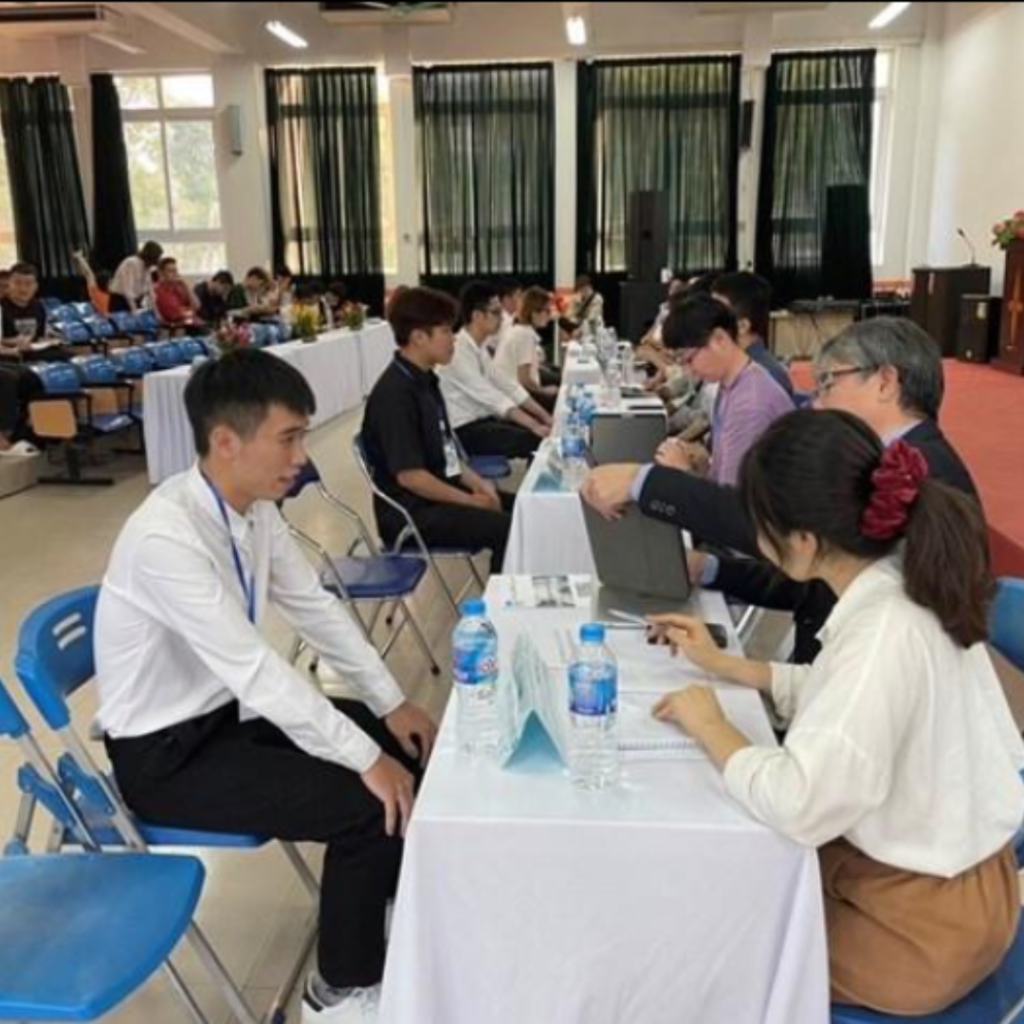
Why Understanding Recruitment Rounds Matters
Students who understand recruitment stages approach placements strategically rather than emotionally.
Preparation becomes more focused because each round requires different skills and expectations.
Knowledge reduces unnecessary anxiety.
Preparation strengthens performance.
Conclusion
Understanding Different Recruitment Rounds enables students and graduates to prepare confidently for modern hiring processes. From resume screening and aptitude tests to technical interviews, group discussions, HR evaluations, managerial interviews, and final onboarding, every recruitment stage measures unique professional qualities that contribute to long-term workplace success.
Whether preparing for Campus Placements, Graduate Recruitment, Job Interviews, Technical Assessments, or HR Interviews, consistent preparation across communication, technical expertise, analytical thinking, and professional behavior significantly improves selection opportunities.
Recruitment should never be viewed as merely passing examinations. Instead, it is an opportunity to demonstrate knowledge, character, adaptability, and enthusiasm while building the foundation for a rewarding professional career. Candidates who understand each recruitment round, prepare thoughtfully, and continuously improve their abilities place themselves in a stronger position to secure meaningful employment and achieve lasting career success.