
Benefits of Vocational Education for Today’s Students: Building Skills for a Successful Future
Education has always been the foundation of personal and professional development, but the expectations of modern employers have changed significantly over the past decade. Academic knowledge remains valuable, yet organizations increasingly seek individuals who can apply their learning in real-world situations. As industries become more technology-driven and competitive, practical skills have become just as important as theoretical understanding. This shift has increased the importance of Benefits of Vocational Education for Today’s Students, making vocational learning one of the most effective pathways for career readiness, employability, and long-term professional growth.
Vocational education focuses on developing practical expertise through hands-on training, industry exposure, and skill-based learning. Unlike traditional education, which often emphasizes theoretical concepts, vocational programs prepare students for specific professions by teaching the knowledge and competencies required in actual workplaces. Whether a student is interested in healthcare, hospitality, information technology, automotive engineering, electronics, fashion design, digital marketing, agriculture, construction, or media production, vocational education offers career-oriented training that connects education with employment.
The growing relevance of Benefits of Vocational Education for Today’s Students reflects the changing demands of the global workforce. Employers increasingly value candidates who possess technical abilities, communication skills, adaptability, and practical problem-solving experience. Vocational education helps bridge the gap between classroom learning and professional expectations, allowing students to enter the workforce with greater confidence and competence.
For many learners, vocational education also provides flexibility by offering shorter programs, specialized certifications, and opportunities for continuous learning. These advantages make vocational training an attractive choice for students seeking faster career entry while maintaining opportunities for future academic advancement.
Understanding Vocational Education
Vocational education is a form of career-focused learning designed to prepare students for specific occupations through practical instruction, technical knowledge, and workplace experience.
Rather than concentrating exclusively on academic theory, vocational programs emphasize skill development that directly relates to industry requirements.
One reason the Benefits of Vocational Education for Today’s Students continue gaining attention is because employers increasingly prioritize practical competence during recruitment.
Practical learning builds confidence.
Professional preparation strengthens employability.
Why Vocational Education Is Becoming More Popular
Rapid technological advancement, digital transformation, industrial growth, and changing workplace expectations have increased demand for skilled professionals.
Many industries now require employees capable of performing specialized tasks immediately after recruitment.
Skill-based education meets modern workforce needs.
Career readiness begins through practical learning.
Learning Through Practical Experience
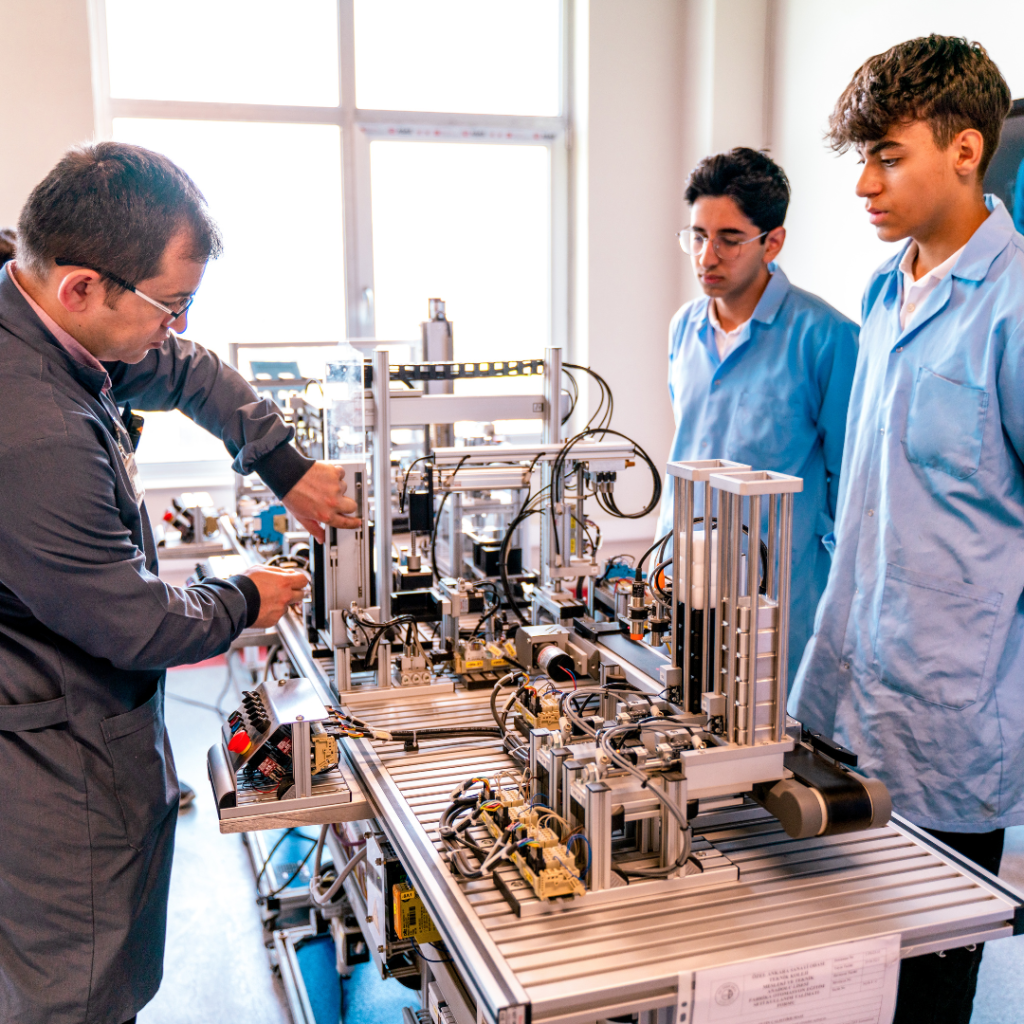
Vocational education places strong emphasis on hands-on learning.
Students regularly participate in laboratory work, workshops, simulations, internships, field training, and industry projects that develop professional competence.
Practical experience strengthens understanding.
Application improves long-term learning.
Closing the Gap Between Education and Employment
One of the greatest advantages of vocational education is its ability to connect academic learning with workplace expectations.
Students graduate with industry-relevant skills, making the transition into employment smoother.
Understanding the Benefits of Vocational Education for Today’s Students includes recognizing its role in improving job readiness.
Education becomes more meaningful through application.
Preparation reduces career uncertainty.
Developing Industry-Relevant Skills
Vocational courses are designed according to current industry requirements.
Students acquire technical knowledge, equipment handling skills, communication abilities, teamwork, workplace ethics, safety awareness, and problem-solving capabilities.
Relevant skills improve employability.
Professional competence attracts employers.
Faster Entry into the Workforce
Many vocational programs require less time than traditional degree courses while providing specialized career preparation.
This enables students to begin professional careers earlier.
Shorter learning pathways accelerate opportunities.
Focused education supports career growth.
Improving Employability
Employers increasingly seek candidates capable of contributing immediately after recruitment.
Vocational graduates often possess practical experience that distinguishes them during hiring processes.
Hands-on expertise creates professional value.
Confidence improves interview performance.
Building Technical Expertise
Vocational education introduces students to industry-standard tools, equipment, software, and technologies.
Exposure to professional environments strengthens technical proficiency.
Technology supports career readiness.
Practical competence builds credibility.
Encouraging Entrepreneurship
Many vocational graduates establish independent businesses after developing specialized skills.
Electricians, fashion designers, chefs, beauticians, photographers, digital marketers, technicians, and artisans frequently create successful enterprises.
Entrepreneurship expands career possibilities.
Skills create business opportunities.
Developing Soft Skills
Professional success depends not only upon technical abilities but also communication, teamwork, leadership, adaptability, customer service, and time management.
Vocational education encourages balanced professional development.
Interpersonal skills strengthen workplace relationships.
Professional behavior builds trust.
Supporting Lifelong Learning
Industries continue evolving because of technological innovation and changing customer expectations.
Vocational education encourages continuous learning through certifications, advanced training, and skill upgrades.
Learning supports career resilience.
Growth requires ongoing development.
Industry Collaboration
Many vocational institutions collaborate with businesses, manufacturers, healthcare providers, hospitality organizations, technology companies, and service industries.
These partnerships strengthen training quality while improving employment opportunities.
Industry connections expand practical exposure.
Collaboration benefits students.
Affordable Education Options
Vocational programs often provide cost-effective education compared with lengthy academic pathways.
Students gain valuable skills while reducing overall educational expenses.
Affordable education expands accessibility.
Investment creates long-term returns.
Internship Opportunities
Internships allow students to apply classroom learning within real workplaces.
Professional exposure improves confidence while introducing workplace expectations.
Experience complements technical education.
Practical training strengthens employability.
Meeting Modern Industry Needs
Today’s industries require adaptable professionals capable of solving practical challenges efficiently.
Vocational education prepares students for evolving technologies, digital systems, automation, and specialized equipment.
Understanding the Benefits of Vocational Education for Today’s Students includes appreciating its responsiveness to changing market demands.
Adaptability encourages professional success.
Innovation creates opportunity.
Career Opportunities Across Multiple Industries
Vocational graduates find employment across healthcare, hospitality, construction, automotive services, information technology, electronics, agriculture, logistics, tourism, media, manufacturing, retail, and renewable energy.
Career diversity increases employment possibilities.
Specialized skills support multiple professions.
Confidence Through Practical Achievement
Completing projects, operating equipment, solving technical problems, and working in professional environments build confidence that extends beyond academics.
Achievement strengthens self-belief.
Practical success encourages motivation.
Supporting Economic Development
A skilled workforce contributes significantly toward industrial productivity, innovation, entrepreneurship, and economic growth.
Vocational education helps address workforce shortages while improving national competitiveness.
Skilled professionals strengthen economies.
Education drives development.
Reducing Skill Gaps
Many industries experience shortages of qualified technical professionals.
Vocational education helps reduce these gaps by preparing students according to industry expectations.
Skill development supports sustainable employment.
Prepared graduates improve workforce quality.
Flexibility for Future Education
Vocational learning does not limit future academic opportunities.
Many students continue pursuing advanced diplomas, degrees, certifications, or specialized professional training after completing vocational programs.
Learning pathways remain flexible.
Continuous education expands career growth.

Overcoming Common Misconceptions
Some people mistakenly assume vocational education offers fewer opportunities than traditional academic programs.
However, many vocational careers provide excellent salaries, entrepreneurship possibilities, professional advancement, and global employment opportunities.
Professional success depends upon skills, dedication, and continuous improvement rather than educational labels alone.
Practical expertise earns professional respect.
Capability creates lasting success.
Why Vocational Education Matters Today
Modern employers increasingly value practical competence alongside academic qualifications.
Vocational education prepares students for rapidly changing workplaces while encouraging innovation, adaptability, and lifelong learning.
The Benefits of Vocational Education for Today’s Students extend beyond immediate employment by creating strong foundations for sustainable career development.
Preparation strengthens future opportunities.
Practical knowledge creates confidence.
Conclusion
The Benefits of Vocational Education for Today’s Students continue becoming more significant as industries prioritize practical skills, technical expertise, and career readiness. Vocational education provides hands-on learning, industry exposure, professional confidence, entrepreneurship opportunities, and faster access to meaningful employment while supporting lifelong learning and continuous career development.
Whether exploring Vocational Courses, Skill Development Programs, Career-Oriented Education, Technical Training, Professional Certifications, or Job-Oriented Learning, students gain valuable competencies that prepare them for today’s competitive workforce.
Success in the modern world depends not only on academic excellence but also on the ability to apply knowledge effectively. Vocational education empowers students with practical experience, industry-relevant skills, and professional confidence, enabling them to build rewarding careers while contributing positively to economic growth, technological innovation, and community development. By investing in vocational learning, students create strong foundations for personal achievement, financial stability, and long-term professional success.