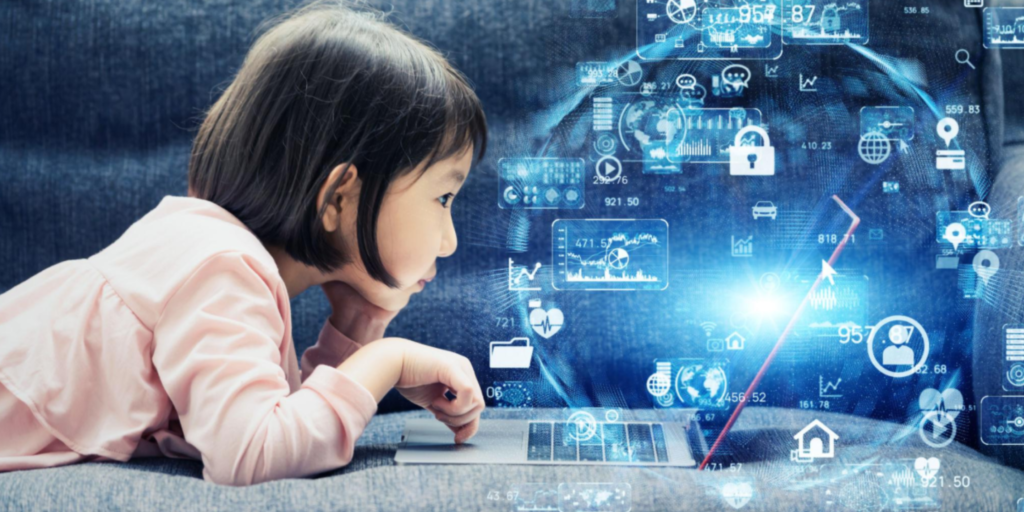
Future of Brain-Based Learning Technology in Education
Education is changing faster than ever before. Traditional teaching methods that once depended heavily on memorization and repetitive learning are slowly being replaced by intelligent systems designed to improve understanding, creativity, and long-term knowledge retention. One of the most transformative developments shaping this evolution is brain-based learning technology. In 2026, educators, schools, universities, and technology companies are increasingly exploring how neuroscience and digital innovation can work together to create stronger learning experiences for students.
Brain-based learning technology focuses on understanding how the human brain naturally absorbs, processes, and remembers information. Instead of forcing students into rigid educational structures, this approach aims to align teaching methods with the brain’s natural learning patterns. The result is a more engaging, interactive, and effective educational environment that supports emotional development, concentration, memory, and critical thinking.
As digital education systems continue evolving, brain-based learning technology is becoming one of the most influential trends in the education industry. The growing integration of artificial intelligence, adaptive learning software, virtual reality, and cognitive learning tools is creating classrooms that are more responsive, personalized, and student-focused than ever before.
Understanding Brain-Based Learning Technology
Brain-based learning technology combines neuroscience, psychology, and educational innovation to improve how students learn. Researchers studying cognitive science have discovered that emotions, environment, attention span, and social interaction all play important roles in academic performance. These discoveries are now influencing how educational platforms and smart classroom technologies are designed.
Instead of relying solely on textbooks and lectures, modern brain learning methods use interactive experiences that stimulate multiple parts of the brain simultaneously. Visual learning, storytelling, gamification, audio engagement, and real-time feedback help students remain focused and emotionally connected to lessons.
This educational shift is especially valuable because many traditional systems struggle to address different learning styles. Some students learn quickly through visuals, while others understand concepts better through hands-on activities or discussion-based instruction. Brain-based learning technology helps create flexible learning environments that adapt to individual student needs.
The future of education technology is moving toward personalization rather than standardization. Schools and universities are realizing that every student processes information differently, and intelligent learning systems are helping educators deliver more customized academic experiences.
Artificial Intelligence Is Transforming Personalized Learning
Artificial intelligence has become one of the strongest driving forces behind the growth of brain-based learning technology. AI-powered educational platforms can analyze student behavior, identify strengths and weaknesses, and recommend personalized learning strategies. This level of customization was nearly impossible in traditional classrooms with large student populations.
Adaptive learning platforms are now capable of adjusting lesson difficulty based on student performance. If a learner struggles with a particular topic, the system can provide additional explanations, exercises, or interactive content to strengthen understanding. On the other hand, advanced learners can move ahead without being slowed down by repetitive instruction.
This intelligent personalization helps reduce frustration, confusion, and academic pressure that many students experience in conventional educational systems. Students feel more confident when learning experiences are tailored to their pace and ability levels.
AI learning technology is also helping teachers save time by automating repetitive tasks such as grading, attendance tracking, and performance analysis. This allows educators to focus more on mentoring, communication, and creative instruction rather than administrative workload.
Although some critics worry about excessive dependence on technology, many experts believe that balanced integration of AI can strengthen educational outcomes rather than replace human teaching entirely.
Smart Classroom Technology Is Reshaping Education
Smart classroom technology is rapidly becoming an essential part of modern education systems. Schools are introducing interactive whiteboards, virtual learning environments, augmented reality tools, and digital collaboration platforms designed to improve engagement and retention.
Brain-based learning technology works especially well in smart classrooms because students are encouraged to participate actively instead of passively listening for long periods. Interactive lessons stimulate curiosity and encourage deeper understanding of complex subjects.
Virtual reality and augmented reality are creating immersive educational experiences that make learning more realistic and memorable. Students studying science can explore virtual laboratories, while history students can experience historical environments through digital simulations. These interactive experiences activate multiple sensory responses, helping the brain process and retain information more effectively.
This transformation is especially important for younger students who often struggle with concentration in traditional lecture-based settings. Dynamic digital environments make education more exciting and emotionally engaging.
At the same time, educational institutions must be careful not to create excessive screen dependency. Maintaining balance between technology usage and real-world interaction remains an important challenge in the future of education technology.
Neuroscience Is Changing Teaching Strategies
Neuroscience in education is influencing how teachers structure lessons, manage classrooms, and communicate with students. Research has shown that stress, fear, and emotional discomfort can negatively affect memory and concentration. As a result, many schools are adopting more supportive and emotionally aware teaching approaches.
Brain-based learning encourages positive classroom environments where students feel safe to ask questions, express creativity, and participate without fear of embarrassment. Emotional connection plays a powerful role in memory formation, and educators are increasingly using storytelling, collaborative activities, and discussion-based learning to improve engagement.
Teachers are also learning how attention spans work in modern learners. Instead of relying on long lectures that can reduce focus, educators are breaking lessons into smaller interactive segments that maintain student interest and mental activity.
This shift is creating classrooms that are less rigid and more student-centered. Learners are encouraged to think critically, solve problems creatively, and build stronger communication skills rather than simply memorizing information for examinations.
As educational research continues advancing, brain-based learning methods are expected to become even more sophisticated and scientifically refined.
Brain-Based Learning Can Improve Student Performance
One of the main reasons educational institutions are investing in brain-based learning technology is its potential to improve student performance and long-term knowledge retention. Traditional memorization methods often lead to short-term learning that fades quickly after exams.
Brain-based learning focuses on understanding concepts deeply through engagement, repetition, emotional connection, and practical application. Students are more likely to remember information when lessons activate curiosity and critical thinking.
Personalized education systems also help struggling students receive targeted support instead of being left behind in overcrowded classrooms. Early identification of learning difficulties allows teachers and AI systems to provide additional assistance before academic problems become severe.
This supportive educational model can reduce feelings of discouragement and academic stress among students. Improved confidence often leads to stronger participation, higher motivation, and better overall academic results.
Educational technology companies are continuously developing cognitive learning tools designed to strengthen concentration, memory, problem-solving ability, and mental flexibility. These innovations are expected to become increasingly common in schools worldwide.
Challenges Facing Brain-Based Learning Technology
Despite its promising future, brain-based learning technology also faces several challenges. One major concern is unequal access to advanced educational tools. Many schools in developing regions still struggle with limited internet access, outdated infrastructure, and insufficient funding.
Without proper investment, the gap between technologically advanced schools and under-resourced institutions could widen further. Educational inequality remains a serious concern that governments and policymakers must address carefully.
Another challenge involves data privacy and student monitoring. AI-powered educational platforms collect large amounts of information about student behavior, performance, and learning habits. Schools must ensure that this data is handled responsibly and securely.
There are also concerns about excessive digital exposure among children. While technology can improve learning experiences, too much screen time may negatively affect social interaction, physical activity, and emotional well-being if not managed carefully.
Balancing innovation with ethical responsibility will be critical for the sustainable growth of brain-based learning technology in education.
Future Career Opportunities in Educational Technology
The rapid growth of educational technology is also creating exciting career opportunities for professionals in neuroscience, psychology, artificial intelligence, software development, and instructional design. Schools and technology companies need specialists who understand both human learning behavior and digital innovation.
As brain-based learning systems continue evolving, careers related to educational data analysis, cognitive science, adaptive learning development, and AI-powered teaching platforms are expected to grow significantly.
Students interested in future technology careers are increasingly exploring educational technology because it combines creativity, research, and social impact. Professionals working in this industry have the opportunity to shape how future generations learn and develop.
The growing demand for personalized learning systems suggests that education innovation will remain one of the most influential sectors in the coming decade.
Conclusion
The future of brain-based learning technology in education looks remarkably promising. As neuroscience, artificial intelligence, and digital education systems continue advancing, classrooms are becoming more personalized, interactive, and student-focused than ever before.
Brain-based learning technology is helping educators understand how students naturally process information, allowing schools to create more effective and emotionally supportive learning environments. From adaptive learning platforms to smart classroom technology, innovation is transforming education into a more engaging and meaningful experience.
Although challenges such as digital inequality, privacy concerns, and screen dependency still exist, the overall impact of educational technology remains highly influential. Schools, universities, and governments are increasingly recognizing the value of combining neuroscience with intelligent learning systems.
As education continues evolving in 2026 and beyond, brain-based learning technology is expected to play a major role in improving academic performance, creativity, and lifelong learning. For students, educators, and technology professionals alike, this transformation represents an exciting new chapter in the future of global education.
More Blogs you may read
Student-Led Research Initiatives: Empowering Innovation, Academic Excellence, and Future Leaders 2026
Student-Led Research Initiatives Research has always been one of the...
Read More
Careers in EdTech Product Development: A Complete Guide to Building a Future in Educational Technology 2026
Careers in EdTech Product Development Education is experiencing one of...
Read MoreCareer Planning Without Following the Crowd: A Complete Guide to Building Your Own Career Path 2026
Career Planning Without Following the Crowd Choosing a career is...
Read MoreAdmission Cancellation Rules: Complete Guide for Students on Admission Withdrawal and Refund Policies 2026
Admission Cancellation Rules Securing admission to a college or university...
Read More