
Career as a Physiotherapist
Healthcare is one of the fastest-growing professional sectors in the world, offering meaningful careers that combine scientific knowledge with compassionate patient care. Among the many healthcare professions, physiotherapy has gained remarkable recognition because it focuses on restoring movement, improving physical function, reducing discomfort, and enhancing the overall quality of life for people of all ages. Choosing a Career as a Physiotherapist allows individuals to make a direct and lasting impact on patients recovering from injuries, surgeries, neurological conditions, sports-related problems, and age-related mobility challenges.
Modern lifestyles have increased the need for physiotherapy services. Long working hours, sedentary habits, sports injuries, orthopedic disorders, neurological conditions, and rehabilitation after surgeries have created growing demand for qualified physiotherapists in hospitals, rehabilitation centers, sports organizations, wellness clinics, and private practices. As healthcare increasingly emphasizes preventive care and long-term recovery, physiotherapists play an essential role in helping individuals regain independence, confidence, and physical well-being.
A Career as a Physiotherapist combines medical science, anatomy, movement analysis, patient communication, rehabilitation planning, and continuous learning. Professionals in this field work closely with doctors, surgeons, nurses, occupational therapists, fitness experts, and healthcare teams to design personalized treatment plans that improve mobility and overall physical health. Unlike many healthcare professions that focus primarily on medication, physiotherapy encourages natural recovery through movement, exercise, education, and evidence-based therapeutic techniques.
Students interested in healthcare, biology, human anatomy, physical fitness, rehabilitation, and patient interaction often find physiotherapy to be an inspiring and professionally rewarding career. Beyond financial stability, this profession offers the satisfaction of helping people recover from physical limitations while contributing positively to their everyday lives.
Understanding Physiotherapy
Physiotherapy is a healthcare discipline dedicated to improving movement, restoring physical function, and supporting rehabilitation after injury, illness, surgery, or disability. Rather than relying solely on medication or invasive procedures, physiotherapists use scientific assessment, therapeutic exercises, manual therapy, posture correction, mobility training, and rehabilitation techniques to help patients regain strength and independence.
A Career as a Physiotherapist involves evaluating each patient’s condition carefully before designing individualized treatment programs based on medical evidence and functional goals.
Treatment plans often address pain management, balance improvement, muscle strengthening, joint mobility, neurological recovery, respiratory rehabilitation, sports performance, and injury prevention.
Physiotherapy supports long-term health while encouraging active participation in recovery.
Why Physiotherapy Has Become Increasingly Important
The demand for physiotherapy has expanded significantly due to changing lifestyles, increasing life expectancy, sports participation, workplace ergonomics, and rising awareness regarding preventive healthcare.
Individuals recovering from fractures, spinal conditions, joint replacement surgeries, neurological disorders, arthritis, sports injuries, and chronic musculoskeletal problems frequently require physiotherapy to regain normal function.
Choosing a Career as a Physiotherapist provides opportunities to contribute meaningfully to modern healthcare by supporting patients throughout various stages of recovery.
Healthcare systems increasingly recognize physiotherapists as essential rehabilitation specialists.
Movement restores independence.
Recovery improves quality of life.
Educational Pathway to Become a Physiotherapist
Students interested in pursuing a Career as a Physiotherapist generally begin by completing higher secondary education with science subjects such as Physics, Chemistry, and Biology.
The Bachelor of Physiotherapy (BPT) serves as the primary undergraduate qualification preparing students through comprehensive study of anatomy, physiology, biomechanics, pathology, pharmacology, rehabilitation, exercise therapy, electrotherapy, orthopedics, neurology, cardiopulmonary rehabilitation, and clinical practice.
Following undergraduate education, many professionals pursue Master of Physiotherapy (MPT) degrees specializing in fields such as sports physiotherapy, neurology, orthopedics, pediatrics, cardiopulmonary rehabilitation, or community physiotherapy.
Continuous education strengthens professional expertise.
Learning remains central throughout healthcare careers.
Essential Skills for Physiotherapists
Technical knowledge alone does not guarantee professional success.
Physiotherapists require strong communication skills because explaining treatment plans, motivating patients, and building trust significantly influence rehabilitation outcomes.
Professionals pursuing a Career as a Physiotherapist also benefit from empathy, patience, observation, critical thinking, problem-solving, teamwork, adaptability, physical stamina, and attention to detail.
Every patient presents unique challenges requiring individualized care.
Compassion strengthens clinical effectiveness.
Professional relationships encourage successful rehabilitation.
Clinical Training Builds Professional Confidence
Practical experience forms an essential component of physiotherapy education.
Clinical internships expose students to hospitals, rehabilitation centers, orthopedic departments, neurological units, sports clinics, intensive care units, pediatric rehabilitation, and community healthcare settings.
Clinical exposure supports a Career as a Physiotherapist by allowing students to apply theoretical knowledge while developing patient assessment, treatment planning, documentation, and communication skills.
Hands-on learning builds professional confidence.
Real experience strengthens clinical judgment.
Practice prepares future healthcare professionals.
Major Responsibilities of a Physiotherapist
Physiotherapists perform detailed physical assessments before recommending individualized rehabilitation strategies.
They evaluate posture, joint movement, muscle strength, flexibility, balance, coordination, gait patterns, neurological function, and physical limitations.
Professionals pursuing a Career as a Physiotherapist educate patients regarding exercises, injury prevention, ergonomic improvements, lifestyle modifications, and long-term recovery strategies.
Monitoring progress remains equally important because treatment plans evolve according to patient improvement.
Every rehabilitation journey requires careful observation.
Individualized care improves outcomes.
Career Opportunities in Hospitals
Hospitals remain one of the largest employers of physiotherapists.
Professionals work alongside orthopedic surgeons, neurologists, cardiologists, pediatricians, intensive care specialists, and rehabilitation teams supporting patients throughout recovery.
A Career as a Physiotherapist within hospital environments provides exposure to diverse medical conditions while encouraging interdisciplinary collaboration.
Hospital practice strengthens clinical expertise through continuous learning.
Healthcare teamwork improves patient care.
Professional experience grows rapidly.
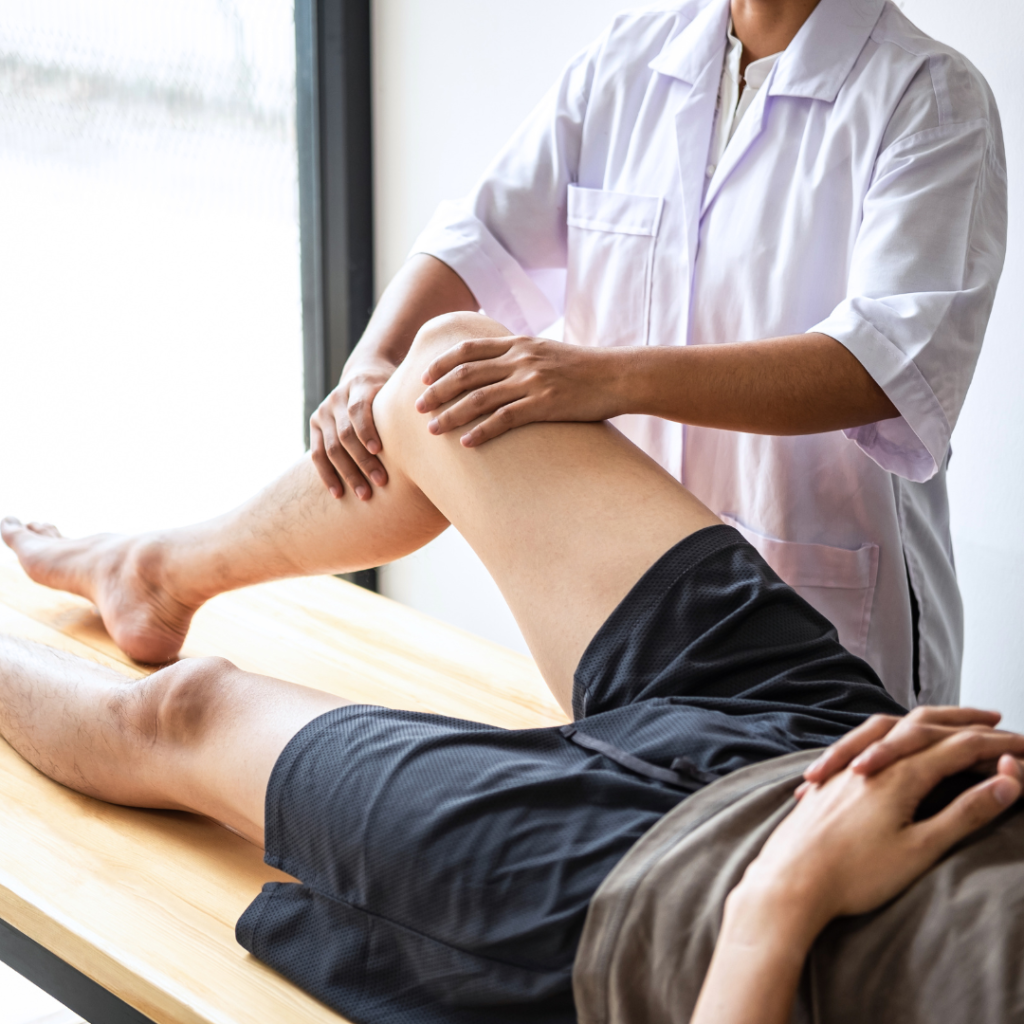
Sports Physiotherapy
Athletes frequently experience muscle injuries, ligament damage, joint instability, fractures, overuse conditions, and rehabilitation following surgeries.
Sports physiotherapists help athletes recover safely while preventing future injuries and improving physical performance.
Students interested in fitness and sports often pursue a Career as a Physiotherapist specializing in sports rehabilitation because it combines healthcare with athletic performance.
Professional sports increasingly depend on physiotherapy expertise.
Movement supports peak performance.
Recovery enhances competitive success.
Pediatric Physiotherapy
Children with developmental conditions, neurological disorders, congenital disabilities, injuries, or delayed motor development frequently benefit from specialized physiotherapy.
Pediatric physiotherapists design playful, age-appropriate rehabilitation programs encouraging physical development while supporting families throughout treatment.
A Career as a Physiotherapist within pediatric care requires patience, creativity, empathy, and strong communication.
Early intervention often improves long-term outcomes.
Children deserve compassionate rehabilitation.
Growth continues through supportive care.
Neurological Physiotherapy
Patients recovering from strokes, spinal cord injuries, Parkinson’s disease, multiple sclerosis, traumatic brain injuries, or neurological disorders require specialized rehabilitation.
Neurological physiotherapists help improve mobility, balance, coordination, muscle strength, and functional independence.
Professionals choosing a Career as a Physiotherapist within neurology contribute significantly to improving patients’ daily lives.
Recovery requires persistence.
Small improvements often create meaningful independence.
Rehabilitation strengthens hope.
Orthopedic Physiotherapy
Orthopedic physiotherapists treat fractures, joint replacements, arthritis, ligament injuries, tendon disorders, spinal conditions, shoulder problems, knee injuries, and musculoskeletal pain.
Treatment focuses on restoring mobility, strength, flexibility, and normal function.
Many professionals pursuing a Career as a Physiotherapist specialize in orthopedics because musculoskeletal conditions remain extremely common across all age groups.
Movement supports healthy living.
Pain reduction improves quality of life.
Rehabilitation restores confidence.
Community and Home-Based Physiotherapy
Healthcare increasingly extends beyond hospitals.
Many physiotherapists provide rehabilitation within patients’ homes, community health centers, elderly care facilities, schools, and rural healthcare programs.
A Career as a Physiotherapist within community healthcare allows professionals to improve accessibility while supporting individuals unable to travel regularly.
Home rehabilitation encourages continuity of care.
Healthcare reaches broader populations.
Accessibility strengthens recovery.
Private Practice and Entrepreneurship
Experienced physiotherapists often establish independent rehabilitation clinics.
Private practice allows professionals to develop personalized treatment environments while expanding specialized services according to community needs.
Entrepreneurship offers another exciting dimension within a Career as a Physiotherapist by combining healthcare expertise with business management.
Successful clinics frequently provide orthopedic rehabilitation, sports therapy, neurological care, pediatric services, wellness programs, ergonomic consultations, and preventive healthcare.
Professional independence rewards dedication.
Quality care builds reputation.
Salary and Career Growth
Income varies according to qualifications, specialization, location, experience, healthcare institution, and private practice success.
Entry-level physiotherapists gradually increase earning potential through specialization, advanced certifications, leadership roles, research contributions, teaching, consulting, and entrepreneurship.
A Career as a Physiotherapist offers stable long-term professional growth because rehabilitation services continue expanding globally.
Continuous learning supports career advancement.
Experience strengthens expertise.
Professional development increases opportunities.
Technology in Modern Physiotherapy
Healthcare technology continues transforming rehabilitation.
Digital assessment tools, motion analysis systems, virtual rehabilitation, wearable devices, robotic rehabilitation, telehealth services, and artificial intelligence increasingly support physiotherapy practice.
Professionals pursuing a Career as a Physiotherapist benefit from understanding emerging technologies while maintaining strong clinical reasoning.
Technology complements rather than replaces patient-centered care.
Innovation strengthens rehabilitation outcomes.
Modern healthcare continues evolving.
Challenges and Rewards of the Profession
Physiotherapy requires dedication, patience, physical activity, emotional resilience, and continuous professional development.
Recovery sometimes progresses slowly, requiring encouragement and consistent patient motivation.
Despite these challenges, a Career as a Physiotherapist remains deeply rewarding because professionals witness patients regaining independence, mobility, confidence, and improved quality of life.
Helping individuals overcome physical limitations creates lasting professional satisfaction.
Meaningful work inspires continued commitment.
Compassion strengthens healthcare.

Future Scope of Physiotherapy
The future of physiotherapy appears exceptionally promising.
Growing populations, aging societies, increasing sports participation, chronic lifestyle conditions, preventive healthcare awareness, workplace ergonomics, and rehabilitation needs continue expanding demand for qualified professionals.
A Career as a Physiotherapist will likely experience continued growth across hospitals, sports organizations, rehabilitation centers, research institutions, educational facilities, wellness clinics, digital healthcare, and community programs.
Healthcare continues emphasizing rehabilitation.
Movement remains essential for healthy living.
Future opportunities continue expanding.
Conclusion
Choosing a Career as a Physiotherapist offers much more than professional stability—it provides an opportunity to improve lives through movement, rehabilitation, education, and compassionate healthcare. Physiotherapists play an essential role in helping individuals recover from injuries, surgeries, neurological disorders, sports conditions, and physical limitations while restoring independence and confidence. With growing awareness of preventive healthcare and rehabilitation, this profession continues expanding across hospitals, sports organizations, research institutions, private clinics, and community healthcare settings.
As you consider building a Career as a Physiotherapist, remember that success depends upon continuous learning, scientific knowledge, patient-centered communication, clinical excellence, and genuine compassion. Every patient presents a unique journey toward recovery, and every successful rehabilitation reflects the physiotherapist’s dedication, expertise, and commitment. For students passionate about healthcare, human movement, and improving quality of life, physiotherapy offers a meaningful, respected, and future-ready profession that combines medical science with the rewarding experience of making a positive difference every day.