Introduction
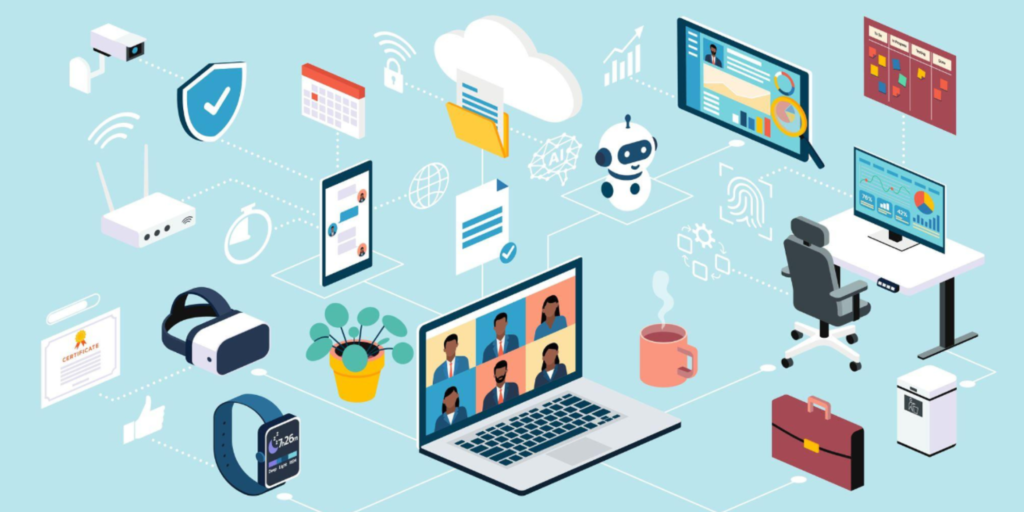
The world of work is changing faster than ever before. New technologies, evolving business models, shifting employee expectations, and global connectivity are transforming the way people build careers and earn a living. What once seemed predictable has become increasingly dynamic, creating both excitement and uncertainty about the future of work.
For decades, many professionals followed a familiar path: obtain an education, secure employment, and gradually advance within a chosen field. Today, that journey looks very different. Emerging technologies such as artificial intelligence, automation, cloud computing, and digital collaboration tools are reshaping industries at an unprecedented pace. As a result, the future workforce faces a landscape filled with fresh possibilities as well as complex challenges.
The debate surrounding the future of work often centers on a critical question: Will these changes create more opportunities or more risks? The answer is not entirely one-sided. While innovation is opening doors to new careers and greater flexibility, it is also introducing concerns about job displacement, workforce adaptation, and economic uncertainty.
Understanding both sides of this transformation is essential for individuals, businesses, and educational institutions preparing for the next generation of employment.
Technology Is Reshaping the Modern Workplace
Technology sits at the heart of the future of work. Organizations across industries are adopting digital tools that improve efficiency, streamline operations, and enhance productivity. Tasks that once required extensive manual effort can now be completed through automation and intelligent systems.
The digital workplace has enabled businesses to operate with greater speed and flexibility. Employees can collaborate across continents, access information instantly, and perform complex tasks using advanced software platforms. These developments have created significant advantages for organizations seeking growth and innovation.
However, technological advancement also introduces disruption. Certain repetitive roles are becoming less dependent on human involvement as automated systems continue to evolve. While technology generates new opportunities, it simultaneously alters traditional employment structures, creating a period of adjustment for many workers.
This dual impact explains why discussions about workplace technology often include both optimism and caution.
Artificial Intelligence and the Transformation of Jobs
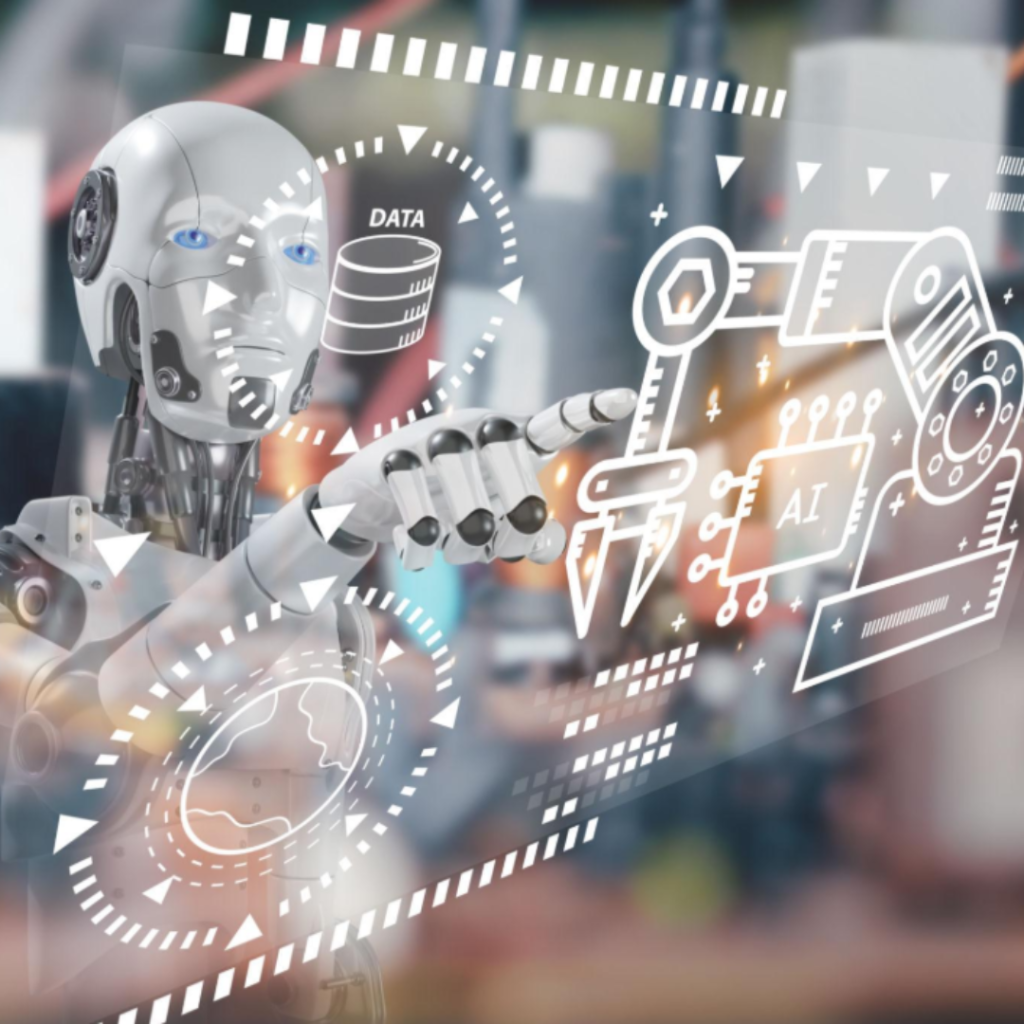
Few developments have attracted as much attention as artificial intelligence. AI in the workplace is influencing everything from customer service and healthcare to finance and manufacturing. Intelligent systems can analyze data, identify patterns, and support decision-making with remarkable speed.
The rise of artificial intelligence jobs has created demand for professionals skilled in machine learning, data science, cybersecurity, software engineering, and digital strategy. Companies increasingly seek employees capable of working alongside advanced technologies rather than competing against them.
At the same time, concerns remain regarding the future of jobs that involve repetitive or predictable tasks. Some positions may evolve significantly, while others could become less common as automation expands.
Rather than eliminating work entirely, artificial intelligence is more likely to redefine how work is performed. Professionals who embrace continuous learning and skill development are likely to benefit from this transformation, while those resistant to change may face greater challenges.
Remote Work Is Redefining Career Flexibility
One of the most visible workplace trends of recent years has been the growth of remote work. Advances in communication technology have enabled employees to perform their responsibilities from virtually anywhere with an internet connection.
Remote work offers numerous advantages. Professionals often enjoy greater flexibility, improved work-life integration, reduced commuting time, and access to broader employment opportunities. Organizations can also recruit talent from diverse geographic locations, expanding their access to skilled professionals.
Yet remote work is not without challenges. Some employees experience isolation, communication difficulties, or blurred boundaries between personal and professional responsibilities. Maintaining team culture and collaboration can also become more complex in fully remote environments.
As the future of work continues to evolve, hybrid work models that combine in-office and remote arrangements are likely to become increasingly common, offering a balance between flexibility and collaboration.
New Career Opportunities Are Emerging
Despite concerns about automation and technological disruption, the future workforce is witnessing the creation of entirely new career paths. Many of today’s fastest-growing professions barely existed a decade ago.
Fields such as artificial intelligence, renewable energy, digital marketing, cloud computing, data analytics, virtual reality, and cybersecurity continue to expand rapidly. These industries generate career opportunities that align with evolving economic and technological demands.
The growth of entrepreneurship and the gig economy has also diversified employment options. Professionals can now build independent careers, offer specialized services, and create digital businesses with relatively low barriers to entry.
This expansion of career possibilities demonstrates that workplace transformation is not solely about replacing jobs. It is also about generating new forms of employment that reflect changing societal needs.
The Growing Importance of Adaptability
In the future employment landscape, adaptability may become one of the most valuable professional qualities. Technical expertise remains important, but the ability to learn, adjust, and evolve is becoming equally essential.
Workforce transformation is accelerating the demand for lifelong learning. Employees can no longer assume that a single degree or certification will remain sufficient throughout an entire career. Continuous professional development is increasingly necessary to remain competitive.
Adaptable professionals are better equipped to navigate industry changes, embrace technological advancements, and pursue emerging opportunities. Organizations also benefit from employees who demonstrate flexibility and a willingness to acquire new skills.
As workplace trends continue to evolve, adaptability will likely serve as a critical factor in long-term career success.
The Risks of Workforce Displacement
While innovation creates opportunities, it also introduces legitimate concerns regarding workforce displacement. Automation and intelligent systems can perform certain tasks more efficiently than traditional methods, potentially reducing demand for specific roles.
Industries that rely heavily on repetitive processes may experience significant restructuring. Workers whose responsibilities can be automated may face uncertainty as businesses adopt new technologies.
The impact of displacement extends beyond individual careers. Communities, industries, and economies may also experience periods of transition as employment patterns shift.
Addressing these challenges requires investment in education, retraining programs, and workforce development initiatives. Supporting workers through periods of change can help minimize disruption while maximizing the benefits of technological progress.
Why Human Skills Will Remain Valuable
Although technology continues to advance, many human qualities remain difficult to replicate. Creativity, emotional intelligence, leadership, critical thinking, communication, and ethical judgment continue to play essential roles in professional environments.
Organizations increasingly recognize that successful innovation requires both technological capability and human insight. Machines can process information efficiently, but human professionals provide context, empathy, strategic thinking, and relationship-building skills.
As a result, the future workforce will likely place greater emphasis on uniquely human strengths alongside technical expertise. Individuals who combine digital skills with interpersonal abilities may enjoy a significant advantage in evolving job markets.
This balance between technology and human capability represents one of the most promising aspects of the future of work.

Education Must Evolve with Workplace Demands
Educational institutions play a crucial role in preparing students for future careers. Traditional learning models may require adaptation to address the rapidly changing needs of employers and industries.
Future workforce skills increasingly include digital literacy, problem-solving, collaboration, adaptability, and technological proficiency. Educational programs that emphasize practical application and continuous learning can help students remain relevant in competitive employment markets.
Universities, training organizations, and employers must work together to ensure that learning pathways align with emerging workforce requirements. This collaboration can create stronger connections between education and employment outcomes.
Preparing students for future jobs requires more than technical instruction. It also involves fostering resilience, curiosity, and a commitment to lifelong growth.
Building a Sustainable Future Workforce
Creating a successful future workforce requires balancing innovation with responsibility. Businesses, governments, educational institutions, and employees all have important roles to play in shaping the next era of employment.
Organizations should invest in workforce development while adopting technologies that enhance productivity and create value. Governments can support economic resilience through policies that encourage innovation and workforce transition programs.
Employees, meanwhile, can focus on developing adaptable skill sets and embracing opportunities for continuous learning. Those who remain open to change are more likely to thrive in evolving work environments.
A sustainable future of work depends on ensuring that technological progress benefits both businesses and individuals.
Conclusion
The future of work presents a landscape filled with remarkable opportunities and meaningful risks. Technological innovation, artificial intelligence, remote work, and workforce transformation are creating exciting possibilities for career growth, flexibility, and economic development.
At the same time, these changes introduce challenges related to workforce displacement, skill adaptation, and employment uncertainty. The future will not be defined solely by technology itself but by how society chooses to manage its impact.
For professionals willing to learn, adapt, and embrace change, the future workforce offers tremendous potential. Success will depend not only on technical expertise but also on resilience, creativity, and the ability to navigate an ever-evolving professional world.
Ultimately, the future of work is neither entirely optimistic nor entirely concerning. It is a period of transformation that presents both opportunity and responsibility. Those who prepare thoughtfully today will be best positioned to succeed in the careers of tomorrow.