Future Scope of Neuroengineering
Technology and healthcare are becoming increasingly interconnected, creating entirely new scientific disciplines that promise to reshape the future of medicine. Among these emerging fields, neuroengineering stands out as one of the most innovative and rapidly advancing areas of research and professional development. By combining neuroscience, biomedical engineering, artificial intelligence, robotics, electronics, and computer science, neuroengineering is opening remarkable possibilities for understanding the human brain and developing advanced healthcare solutions. This growing transformation highlights the Future Scope of Neuroengineering and explains why it is becoming an attractive career path for students and researchers across the world.
The demand for technologies that improve diagnosis, rehabilitation, neurological treatment, and human-machine interaction continues to expand. Researchers are developing brain-computer interfaces, intelligent prosthetic systems, neural implants, wearable neurological devices, and advanced rehabilitation technologies capable of improving the quality of life for millions of people. As governments, universities, healthcare organizations, and technology companies invest heavily in medical innovation, the Future Scope of Neuroengineering continues to broaden across research, education, healthcare, and industry.
Understanding Neuroengineering
To understand the Future Scope of Neuroengineering, it is important to first understand the field itself.
Neuroengineering is an interdisciplinary branch of engineering that applies engineering principles, computational technologies, electronics, and neuroscience to study the nervous system and develop medical technologies that interact with the brain and nervous system.
The discipline combines scientific research with practical healthcare applications.
Innovation drives medical progress.
Technology strengthens healthcare solutions.
Engineering supports human well-being.
Healthcare Innovation Is Accelerating Neuroengineering
One of the strongest reasons behind the Future Scope of Neuroengineering is the rapid advancement of healthcare technology.
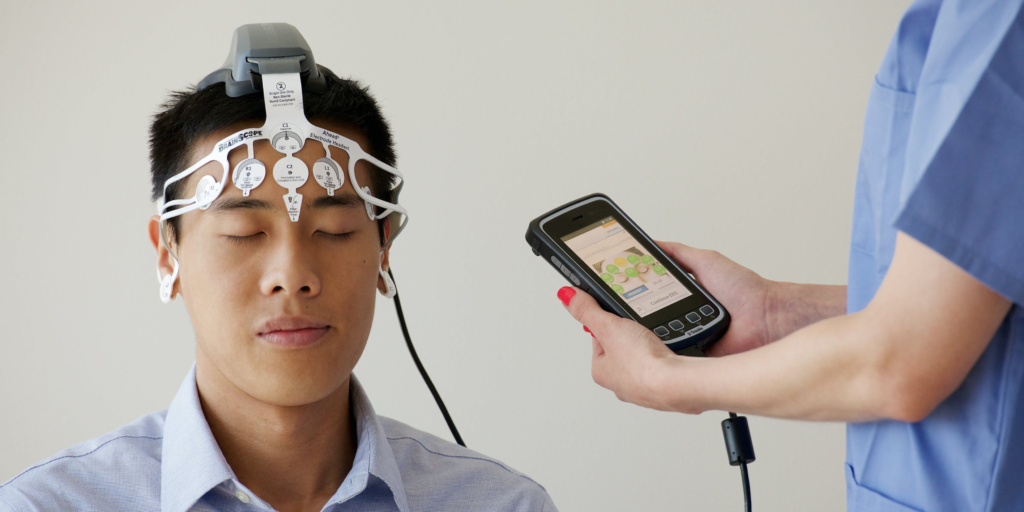
Modern medicine increasingly depends on intelligent devices capable of monitoring brain activity, supporting rehabilitation, improving neurological diagnosis, and assisting patients with movement or communication challenges.
Neuroengineering contributes directly to these medical innovations.
Healthcare continues embracing technology.
Innovation improves patient outcomes.
Research creates new possibilities.
Brain-Computer Interfaces Are Creating New Opportunities
Brain-computer interface technology represents another major reason behind the Future Scope of Neuroengineering.
These systems establish communication between the human brain and external devices, enabling individuals to control computers, robotic limbs, assistive technologies, and communication tools using neural signals.
Researchers continue improving accuracy, accessibility, and practical applications.
Brain technology expands human capabilities.
Innovation supports independence.
Scientific discovery continues evolving.
Artificial Intelligence Supports Neuroengineering
Artificial intelligence significantly contributes to the Future Scope of Neuroengineering.
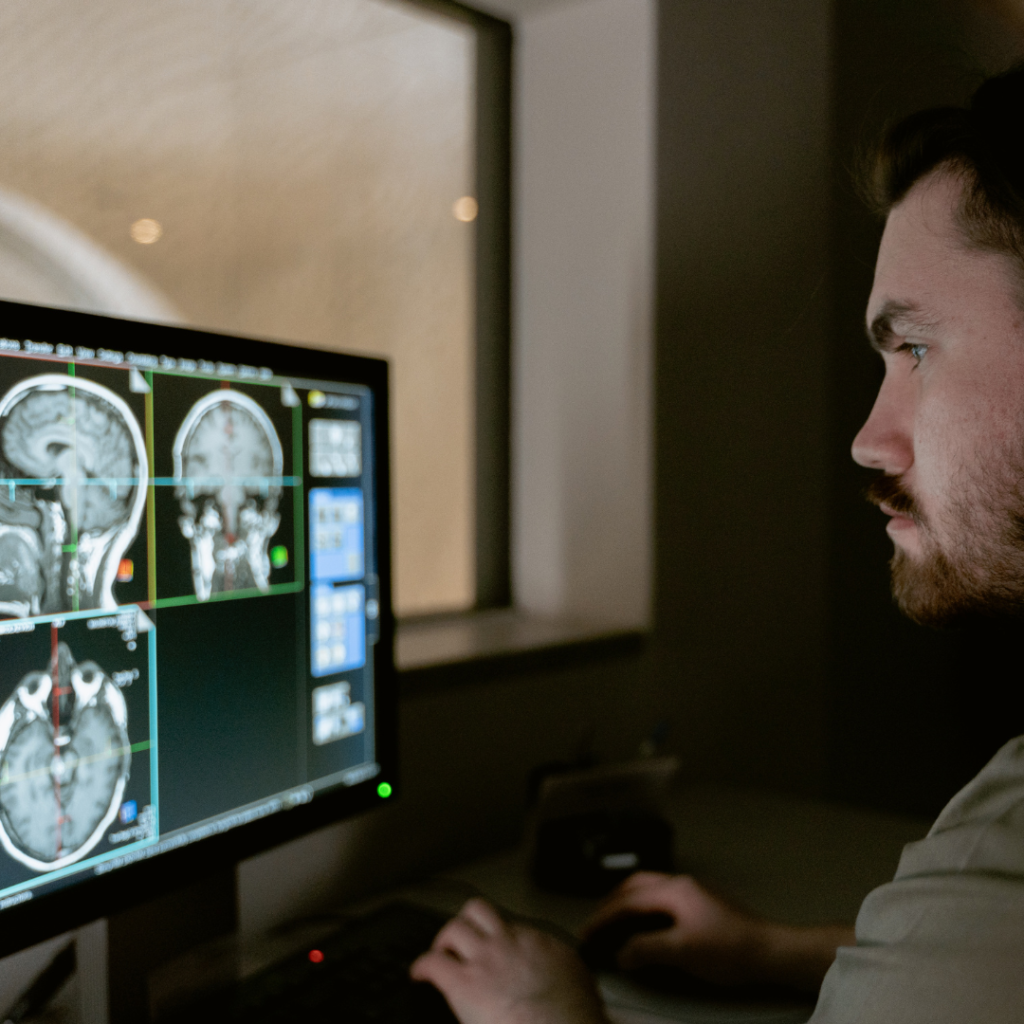
AI helps analyze complex neurological data, recognize brain activity patterns, improve medical imaging, personalize treatment recommendations, and enhance intelligent healthcare systems.
Machine learning accelerates neurological research.
AI strengthens diagnostic accuracy.
Technology supports medical decision-making.

Rehabilitation Engineering Expands Career Opportunities
Rehabilitation technology also explains the growing Future Scope of Neuroengineering.
Neuroengineers develop advanced prosthetic limbs, robotic rehabilitation systems, wearable assistive devices, and neurostimulation technologies that help patients recover movement and improve daily living.
Engineering improves rehabilitation outcomes.
Technology enhances patient independence.
Innovation transforms recovery.
Neuroengineering Supports Medical Research
Scientific research plays a central role in the Future Scope of Neuroengineering.
Universities, research institutions, hospitals, and biotechnology organizations continuously investigate brain function, neurological disorders, neural communication, and advanced therapeutic technologies.
Research creates future medical breakthroughs.
Knowledge drives healthcare innovation.
Continuous learning supports scientific progress.
Growing Demand for Skilled Professionals
Another important aspect of the Future Scope of Neuroengineering is increasing global demand for specialized professionals.
Healthcare providers, medical device manufacturers, pharmaceutical companies, artificial intelligence organizations, research laboratories, universities, and rehabilitation centers seek experts capable of combining engineering with neuroscience.
Interdisciplinary expertise creates valuable career opportunities.
Specialized knowledge strengthens employability.
Future industries value innovation.
Universities Are Expanding Neuroengineering Programs
Educational institutions increasingly recognize the Future Scope of Neuroengineering by introducing interdisciplinary programs that combine biomedical engineering, neuroscience, artificial intelligence, robotics, electronics, programming, and medical technology.
Students benefit from research opportunities, laboratory experience, and industry collaboration.
Modern education encourages practical learning.
Academic innovation supports career readiness.
Universities prepare future researchers.
Neuroengineering Encourages Global Collaboration
International research partnerships further strengthen the Future Scope of Neuroengineering.
Scientists from engineering, medicine, computer science, psychology, biology, and data science frequently collaborate on projects involving neurological health, assistive technologies, and medical innovation.
Collaboration accelerates discovery.
Shared knowledge improves healthcare.
Global partnerships expand innovation.
Ethical Responsibility Remains Essential
Ethics plays a crucial role in the Future Scope of Neuroengineering.
Because neuroengineering involves sensitive neurological information and advanced medical technologies, researchers must prioritize patient privacy, informed consent, transparency, safety, and responsible innovation.
Ethical research builds public trust.
Responsible technology protects society.
Innovation requires accountability.
Emerging Technologies Continue Driving Growth
Several technological advancements are expanding the Future Scope of Neuroengineering, including wearable sensors, smart implants, nanotechnology, robotics, virtual reality rehabilitation, cloud computing, precision medicine, and advanced neural imaging systems.
These technologies create exciting possibilities for diagnosis, treatment, and patient care.
Innovation supports medical excellence.
Technology accelerates healthcare transformation.
Research continues advancing rapidly.
Challenges Facing Neuroengineering
While discussing the Future Scope of Neuroengineering, it is important to recognize certain challenges.
Developing safe, reliable, affordable, and clinically effective neuroengineering solutions requires extensive research, interdisciplinary collaboration, regulatory approval, and continuous technological refinement.
Scientific progress demands patience.
Research requires long-term commitment.
Quality remains essential.
The Future of Neuroengineering Careers
The future of the Future Scope of Neuroengineering appears exceptionally promising.
Professionals may pursue careers as neuroengineers, biomedical researchers, brain-computer interface developers, rehabilitation technology specialists, medical device engineers, neural data scientists, healthcare AI engineers, neuroscience researchers, clinical technology consultants, robotics engineers, and innovation leaders.
Governments, healthcare institutions, biotechnology companies, and research organizations continue investing heavily in neurological technologies capable of improving healthcare worldwide.
Future careers combine science with engineering.
Healthcare innovation continues expanding.
Technology creates meaningful employment opportunities.
Conclusion
The Future Scope of Neuroengineering reflects one of the most exciting intersections of engineering, neuroscience, healthcare, and artificial intelligence. By developing technologies that improve diagnosis, rehabilitation, communication, and neurological treatment, neuroengineering has the potential to transform millions of lives while creating exceptional career opportunities for future professionals.
Students interested in biomedical engineering, neuroscience, electronics, robotics, computer science, artificial intelligence, and healthcare innovation will find neuroengineering to be a rewarding and intellectually stimulating field. Continuous learning, interdisciplinary collaboration, and scientific curiosity remain essential for success in this rapidly evolving profession.
As healthcare systems continue embracing advanced technology and personalized medicine, the future scope of neuroengineering will expand even further. With ongoing research, ethical innovation, and global collaboration, neuroengineering is set to become one of the most influential engineering disciplines shaping the future of modern medicine and human well-being.