
Why Students Prefer Practical Learning Over Theoretical Education
The modern education system is undergoing a massive transformation as students increasingly prefer practical learning over theoretical education. Across schools, colleges, and universities, learners are showing stronger interest in hands-on experiences, skill-based learning, internships, workshops, live projects, and industry-focused education rather than traditional classroom memorization. This shift is not temporary. It reflects the changing mindset of students who want education to prepare them for real-world challenges, professional growth, and future career opportunities.
In earlier decades, theoretical education was considered the foundation of academic success. Students were expected to memorize concepts, reproduce textbook answers, and secure high grades in examinations. While theoretical knowledge still holds importance, the current generation believes that practical learning creates deeper understanding, stronger confidence, and better career readiness. Many students now feel frustrated with outdated teaching methods that focus heavily on theory without connecting lessons to real-life applications.
The growing popularity of practical learning is closely connected to technological advancement, evolving job market trends, and changing employer expectations. Modern industries now demand problem-solving abilities, communication skills, creativity, technical expertise, and adaptability rather than academic scores alone. As a result, students are actively searching for practical education benefits that can improve employability and long-term professional stability.
The Shift from Memorization to Skill Development
One major reason why students prefer practical learning is the increasing importance of skill development in modern careers. Traditional theoretical education often emphasizes memorization, repetitive writing, and examination performance. Although this system helps students understand basic concepts, it sometimes fails to prepare them for real workplace situations.
Today’s students want education that feels meaningful and applicable. They prefer learning methods where they can actively participate instead of passively listening to lectures for hours. Practical learning allows students to engage directly with concepts through experiments, case studies, projects, simulations, presentations, and teamwork activities. This interactive process improves understanding and retention more effectively than memorizing textbook information.
Skill based learning also creates a sense of achievement among students. When learners apply concepts practically, they develop confidence and clarity. They begin to understand how academic knowledge functions in professional environments. This creates enthusiasm, motivation, and emotional satisfaction, which are often missing in purely theoretical education systems.
At the same time, excessive dependence on memorization can create boredom, mental fatigue, and emotional disconnection from studies. Many students feel emotionally drained when they study only to pass examinations without understanding the practical relevance of subjects.
Real-World Exposure Creates Better Understanding
Another strong reason behind the popularity of practical learning in education is real-world exposure. Students today want to understand how industries operate, how businesses solve problems, and how professional responsibilities are handled in actual environments.
Practical education connects classroom learning with real-life situations. Engineering students working on prototypes, medical students attending clinical training, business students analyzing live market cases, and computer science students developing applications gain valuable industry-oriented education through practical experiences.
This exposure helps students develop critical thinking and decision-making abilities. Instead of simply learning theories, they learn how to apply knowledge under realistic circumstances. Such experiences make education more dynamic, exciting, and productive.
Real world learning also helps students discover their strengths and weaknesses. Many learners realize their interests only after participating in practical activities. This clarity reduces career confusion and improves long-term career planning.
In contrast, purely theoretical education sometimes creates an artificial learning environment where students know concepts academically but struggle to apply them practically. This gap between knowledge and execution can negatively affect career readiness.
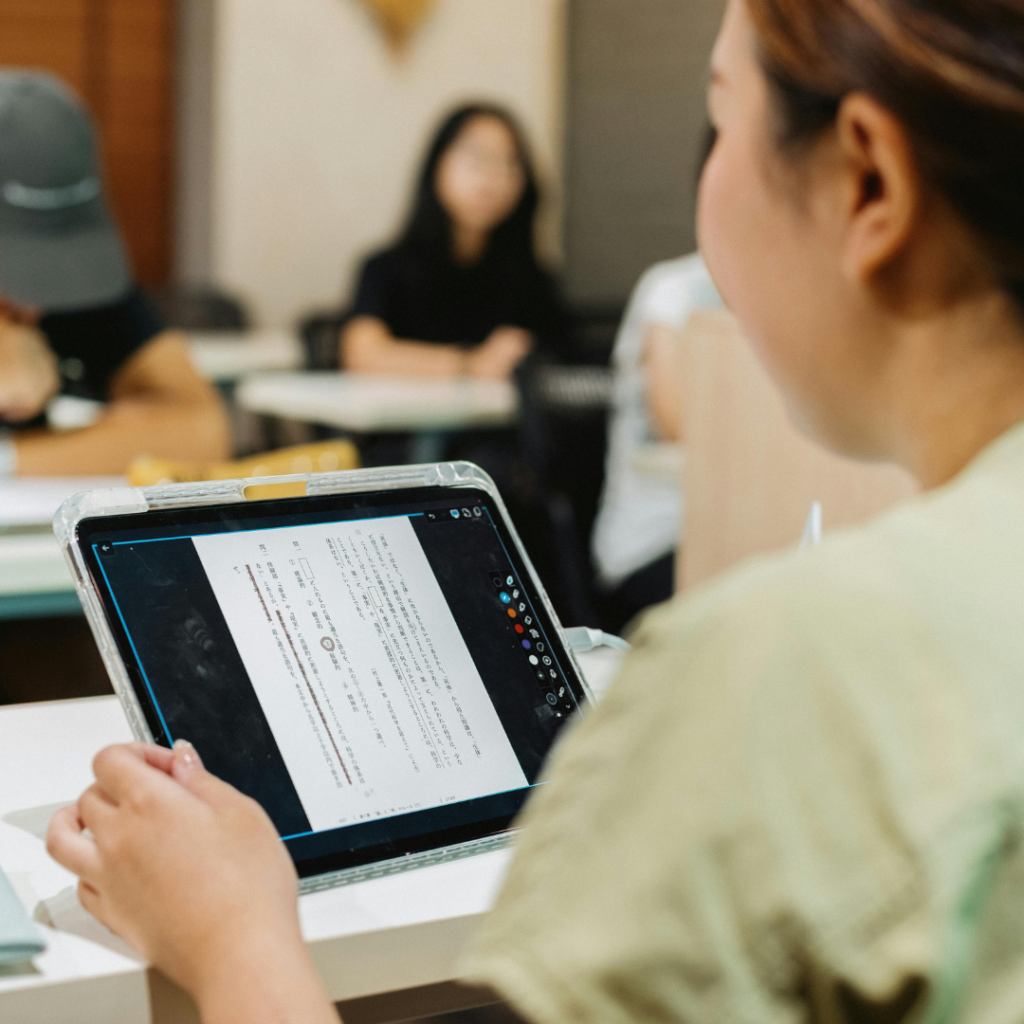
Employers Value Practical Skills More Than Grades
Modern employers increasingly prefer candidates who possess practical knowledge and workplace skills. This changing recruitment pattern is one of the biggest reasons students are moving toward practical learning.
In today’s competitive job market, companies want employees who can solve problems, communicate effectively, adapt quickly, and contribute immediately. Academic scores alone are no longer enough to guarantee professional success. Employers now focus heavily on practical expertise, internships, technical abilities, and project experience during hiring processes.
Students are aware of this transformation. They understand that practical education benefits career growth more effectively than theoretical learning alone. As a result, many students prioritize certifications, workshops, digital skills, and internships alongside formal education.
Career focused education gives students confidence that they are preparing for actual industry expectations. This practical exposure improves employability and reduces the fear of unemployment.
On the other hand, students who rely entirely on theoretical education often feel uncertain about workplace demands. They may possess conceptual understanding but lack the confidence to handle professional tasks independently.
Technology Has Changed Learning Preferences
Technology has dramatically influenced how students consume information and develop knowledge. The digital era has made learning more interactive, visual, and accessible. Students now prefer engaging educational experiences instead of lengthy textbook-based instruction.
Online courses, virtual labs, educational videos, coding platforms, simulations, and interactive workshops have transformed student learning methods. Learners can now practice skills in real time and receive immediate feedback, which enhances understanding and motivation.
Practical learning aligns perfectly with this technological environment. Students enjoy learning by doing because it creates excitement and involvement. Interactive learning environments stimulate curiosity and improve concentration levels.
In contrast, traditional theoretical education may feel rigid and outdated to many learners. Long lectures without engagement can reduce attention spans and create academic frustration. Students increasingly expect education systems to evolve alongside modern technology and industry trends.
The rise of digital industries has also increased demand for practical expertise. Fields such as artificial intelligence, digital marketing, graphic design, software development, video editing, and data analytics require hands-on practice more than theoretical memorization.
Practical Learning Improves Confidence and Creativity
Confidence building is another important advantage of practical learning. Students who actively participate in projects, presentations, experiments, and internships become more self-assured in their abilities. They learn how to communicate ideas, collaborate with teams, and solve real problems independently.
Practical learning environments encourage creativity and innovation. Students are allowed to explore different approaches, test ideas, and learn from mistakes. This freedom develops analytical thinking and emotional resilience.
Theoretical education, when excessively rigid, may sometimes discourage experimentation. Students become afraid of making mistakes because academic systems often reward perfect answers instead of creative problem-solving.
Hands-on learning creates a healthier educational atmosphere where students feel motivated to participate actively. This emotional engagement improves overall academic performance and personal growth.

The Growing Demand for Industry-Oriented Education
The global economy is changing rapidly, and industries now expect educational institutions to produce job-ready graduates. This demand has increased the popularity of industry oriented education across the world.
Students understand that future career opportunities depend heavily on practical expertise. They want educational programs that include internships, industrial visits, live projects, mentorship programs, and practical assignments.
Many universities and colleges are now redesigning curriculums to include experiential learning and professional exposure. Educational institutions are gradually recognizing that theoretical education alone cannot satisfy modern industry demands.
Students also prefer institutions that offer practical training because such programs increase confidence and employability. Career-oriented education creates a stronger connection between academic learning and professional success.
This shift is especially visible in technical and creative industries where practical portfolios and experience matter significantly during recruitment.
The Emotional Impact of Practical Learning
Practical learning positively affects students emotionally and psychologically. Interactive learning environments create excitement, curiosity, and enthusiasm. Students feel more connected to their education when they understand its practical value.
Experiential learning reduces academic monotony and mental exhaustion. Instead of studying solely for examinations, students engage in meaningful activities that improve motivation and satisfaction.
Practical learning also helps reduce fear and insecurity regarding future careers. Students who gain hands-on experience feel more prepared for professional challenges. This emotional confidence creates a healthier mindset and stronger academic engagement.
In contrast, overly theoretical education may create stress, frustration, and emotional disinterest among students who struggle to connect abstract concepts with real-life applications.
Balancing Practical Learning and Theoretical Education
Although students strongly prefer practical learning, theoretical education still remains essential. Theory provides the foundational understanding needed for advanced applications and critical thinking. Without theoretical knowledge, practical skills may lack depth and accuracy.
The ideal education system should balance both approaches effectively. Students need conceptual clarity alongside hands-on experience. Theoretical education builds intellectual understanding, while practical learning transforms knowledge into action.
Educational institutions must integrate skill based learning with academic frameworks to create more balanced and effective learning environments. Such systems can prepare students for both intellectual growth and professional success.
The future of education lies in combining innovation, creativity, practical exposure, and conceptual understanding in a meaningful way.
Conclusion
The growing preference for practical learning over theoretical education reflects the changing needs of modern students and industries. Learners today seek education that prepares them for real-world challenges, professional growth, and future career opportunities. Practical learning creates confidence, improves employability, enhances creativity, and makes education more engaging and meaningful.
As industries continue evolving, the importance of hands-on learning, skill development, and experiential education will increase further. Students no longer want to study only for examinations; they want education that empowers them to succeed in life and careers.
While theoretical education still plays a valuable role, practical learning in education has become essential in shaping adaptable, skilled, and confident individuals. Educational institutions that successfully combine theory with practical exposure will be better equipped to meet the expectations of modern learners and future job markets.
More Blogs you may read
Student-Led Research Initiatives: Empowering Innovation, Academic Excellence, and Future Leaders 2026
Student-Led Research Initiatives Research has always been one of the...
Read More
Careers in EdTech Product Development: A Complete Guide to Building a Future in Educational Technology 2026
Careers in EdTech Product Development Education is experiencing one of...
Read MoreCareer Planning Without Following the Crowd: A Complete Guide to Building Your Own Career Path 2026
Career Planning Without Following the Crowd Choosing a career is...
Read MoreAdmission Cancellation Rules: Complete Guide for Students on Admission Withdrawal and Refund Policies 2026
Admission Cancellation Rules Securing admission to a college or university...
Read More